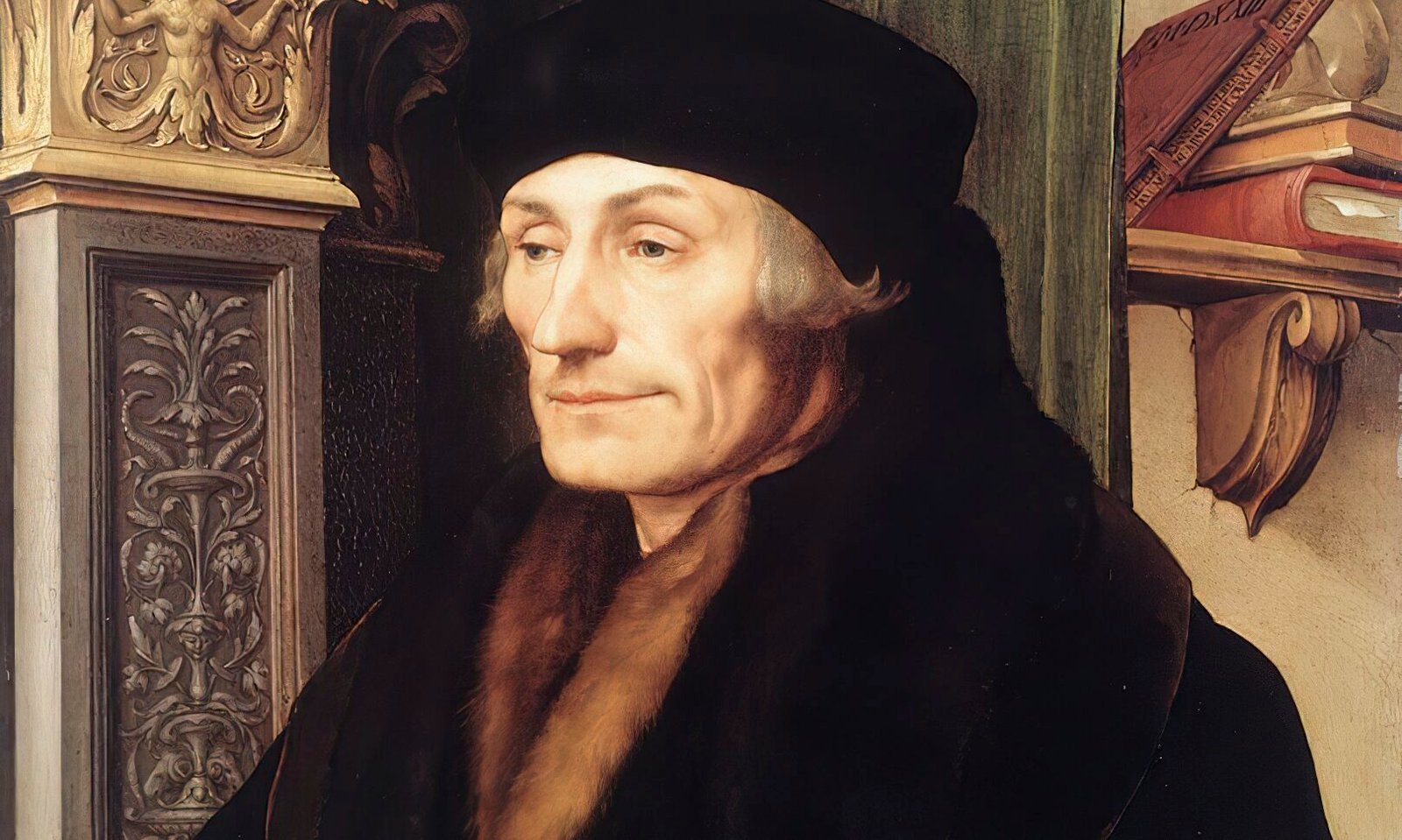
Desiderius Erasmus, often referred to as the “Prince of Humanists,” was a towering intellectual figure of the Renaissance. His contributions to education, philosophy, and theology reshaped European thought during the early 16th century. Though he never formally served as a schoolmaster, his ideas about learning and teaching remain influential even today. Here are ten key insights into Erasmus’ perspectives on education:
Erasmus believed that educating the youth was not just a personal responsibility but a public obligation. He argued that statesmen and church leaders alike had a duty to ensure a steady supply of qualified educators, equating this task to organizing an army for national defense.