Skip to content

Learning-Science Digest

Fringe of Human Learning Technology and Emergence

Categories

  • 4E Cognition
  • Ability grouping
  • Accelerated learning
  • Acting/ Role play
  • Active learning
  • Active/ Action learning
  • Activities
  • Adaptive Learning
  • Administration & Leadership
  • Affordances
  • After-School Programs
  • Agency/ Autonomy
  • Analogy & Analogy based Learning
  • Anchored Instruction
  • Andragogy
  • Anthropology/ Ethnographic learning
  • Apprenticeship
  • Approaches
  • Apps
  • Artificial Intelligence
  • Assessment
  • Asynchronous Learning
  • Attitude
  • Banking model
  • Behavior Design
  • Behavioural
  • Belonging
  • Biology
  • Blended, Flipped, etc
  • books
  • Brain
  • Bricolage
  • Catholic Education
  • Causation
  • Coaching
  • Cognitive Diversity
  • Cognitive Load
  • Cognitive Science
  • Collaborative learning
  • Communities of practice
  • Competency-Based Learning
  • Complexity Theory
  • Compliance Training
  • Computational Learning
  • Computer Based Math
  • Concept Differences
  • Concept similarity
  • Connected Learning
  • Connectivism
  • Constraints
  • Constraints-Led Approach
  • Constructionism
  • Constructivism
  • Contextualized Learning
  • Contrast and Polarity
  • Courses
  • Creativity/ Innovation
  • Critical articles
  • Critical Pedagogy
  • Critical Thinking
  • Cultural Intelligence
  • Cultural Learning
  • Cumulative culture
  • Curriculum
  • Curriculum Design
  • Deliberate Practice
  • Design Science/ Approaches
  • Desirable Difficulty
  • Dialogic Learning
  • Differential learning
  • Digital Learning
  • Direct Instruction/ KLC
  • Disability and Learning
  • Discovery Learning
  • Discussion/ Debate
  • Disposition/Propensity
  • Distributed Cognition/ Learning
  • DIY learning/ Edupunk
  • Dynamics and learning
  • Early Intervention
  • Ecological Approch
  • Ecological Dynamics
  • Ed-tech
  • Education
  • Education Models
  • Education Policy
  • Education Thinkers
  • Effectuation
  • Elaboration
  • Embedded Cognition
  • Embodied Cognition
  • Emergence
  • Emergency learning
  • Emerging technology
  • Emulative learning
  • Enactive learning
  • Enskilment
  • Entangled pedagogy
  • Entrepreneurial Learning
  • Ethics and Moral learning
  • Evaluation
  • Evidence
  • Evolution and Learning
  • Exams
  • Exaptation
  • Exercise
  • Experiential Learning
  • Expertise
  • Explicit instruction
  • Extended Cognition
  • Family/ Religion
  • Feedback
  • Frameworks
  • Future Of Learning
  • Games/ Gamification
  • Generation Effect
  • Generative AI
  • Genius
  • Geragogy
  • Grading
  • Happiness and learning
  • Heuristics
  • Heutagogy
  • Higher Education
  • History Of Education
  • Home Slider
  • Home/ Home Schooling/ Learning
  • Homework
  • Human Machine Interface
  • Humor
  • Hypercorrection
  • Improvisation
  • Informal Learning
  • Innovation
  • Inquiry
  • Instructional Design
  • Instrumentalism
  • Intelligence
  • Interviews
  • Job training
  • Knowledge Rich Curriculum
  • Knowledge: Types. etc.
  • Labelling
  • Language Learning
  • Law and Legal Learning
  • Learning and Development
  • Learning Difficulties
  • Learning Environments
  • Learning for life
  • Learning in Chaos
  • Learning in complexity
  • Learning Management System
  • Learning Myths
  • Learning Programming
  • Learning Science
  • Learning Stations
  • Learning Systems
  • Learning Techniques/Methods
  • Learning Thinkers
  • Learning under anxiety/pressure/stress
  • Learning/ Teaching Strategies
  • Learning/ Understanding By Design
  • Looping effect
  • Maker Learning
  • Mastery
  • Mathew Effect
  • Maths Learning
  • Measurement
  • Medical Education/Learning
  • Memory
  • Meta-Analysis
  • Meta-Cognition
  • mindset
  • Mnemonics
  • Montessori
  • Motivation
  • Motor Learning
  • Music/ Arts and Learning
  • Mystagogy
  • Needs and Need based Learning
  • Networked Learning
  • Networks and Ecosystem
  • Neurodivergence
  • Neuroscience
  • Non Computational
  • Non-Representational
  • Nonlinear Pedagogy
  • Novelty and learning
  • Observational learning
  • On-the-Job Training
  • Online and MOOC Learning
  • outdoor-education
  • Pedagogy
  • Peer Learning
  • Personalized Learning
  • Philosophy Of Education
  • Philosophy Of Learning
  • Philosophy Of Science
  • Place-Based Learning
  • Play/ Ludic Pedagogy
  • Policy
  • Pragmatism
  • Problem-based learning
  • Productive Failures
  • Professional education
  • Professional Learning
  • Progressive Education
  • Project Based Learning
  • Proximity and Learning
  • Psychological Issues
  • Question asking/ Question design
  • Reading , Literacy , etc
  • Recognition
  • Reification/ Reductionism
  • Relational Expertise
  • Relational Learning
  • Religion
  • Research
  • Resting/ offline consolidation
  • Retrieval
  • Salience/Closeness
  • Scaffolding
  • Science Of Learning
  • self-efficacy
  • Self-Organization
  • Self-Paced Learning
  • Self-Regulated/ Self-Directed
  • Service Learning
  • Short Concept Introduction
  • Signalling
  • Simulation or Simulative Learning
  • Situated Learning
  • Skill
  • Sleep and Rest
  • Social Effects
  • Social Learning
  • Social-emotional learning
  • Society-Ecosystem etc
  • Socioeconomic Factors
  • Sociology Of Learning
  • Software And Technology Review
  • Speaking/Public Speaking
  • Spiral design
  • Sports learning
  • Sports Science
  • Story/Narrative based learning
  • Studying
  • Teacher/ teaching
  • Testing
  • Theology and learning
  • Theories
  • Tools, Aids, Artifacts
  • Training
  • Training Needs Analysis
  • Transdisciplinary/ Interdisciplinary, etc
  • Transfer Of Learning
  • Trending News
  • Uncategorized
  • Uncertainty and learning
  • Variable Practice
  • Vicarious learning
  • Video playlist
  • Virtual, Augmented, etc
  • Visible Learning/ Hattie
  • Visual Learning/Drawing
  • Vocational Education
  • Wakeful Resting
  • Work Place Learning
  • Workshop Model
  • Zone of Proximal Development (ZPD)
Primary Menu
  • Home
  • About
  • Thinkers
    • Learning Thinkers
    • Education Thinkers
  • Design For Learning
    • Design Science/ Approaches
    • Instructional Design
    • Behavior Design
    • Curriculum Design
    • Learning/ Understanding By Design
    • Motivation
    • Ecological Approch
    • Blended, Flipped, etc
    • Games/ Gamification
  • Tools/Techniques/Methods
    • Learning Techniques/Methods
    • Education Models
    • Testing
    • Retrieval
    • Blended, Flipped, etc
    • Differential learning
    • Dialogic Learning
    • Computer Based Math
    • Tools, Aids, Artifacts
    • Knowledge Rich Curriculum
    • Cognitive Load
    • Online and MOOC Learning
    • Scaffolding
    • Contrast and Polarity
    • Play/ Ludic Pedagogy
    • Problem-based learning
    • Cultural Learning
    • Direct Instruction/ KLC
    • Deliberate Practice
    • Visual Learning/Drawing
    • Games/ Gamification
    • Acting/ Role play
    • Analogy & Analogy based Learning
    • Inquiry
    • Improvisation
    • Constructionism
    • Situated Learning
    • Productive Failures
    • Anthropology/ Ethnographic learning
    • Project Based Learning
    • Connected Learning
    • Nonlinear Pedagogy
    • Personalized Learning
    • Maker Learning
    • Virtual, Augmented, etc
    • Service Learning
    • Constructivism
    • Connectivism
    • Vicarious learning
    • Active/ Action learning
    • Computational Learning
    • Relational Learning
    • Apprenticeship
    • Communities of practice
    • Home/ Home Schooling/ Learning
    • Contextualized Learning
    • DIY learning/ Edupunk
    • Constraints-Led Approach
    • Peer Learning
  • Domains
    • Language Learning
    • Entrepreneurial Learning
    • Maths Learning
    • Sports Science
    • Theology and learning
    • Sports learning
    • Professional education
    • Law and Legal Learning
    • Catholic Education
    • Higher Education
    • Medical Education/Learning
    • Work Place Learning
    • Learning Programming
    • On-the-Job Training
    • Job training
    • Compliance Training
  • Approaches
    • Neuroscience
    • Social Learning
    • Ecological Approch
    • 4E Cognition
    • Active learning
    • Transfer Of Learning
    • Cumulative culture
    • Embodied Cognition
    • Evolution and Learning
    • Embedded Cognition
    • Differential learning
    • Dialogic Learning
    • Experiential Learning
    • Learning Environments
    • Cultural Intelligence
    • Enactive learning
    • Constraints-Led Approach
    • Non-Representational
    • Self-Organization
    • Relational Learning
    • Relational Expertise
    • Enskilment
    • Extended Cognition
    • Distributed Cognition/ Learning
  • Artificial Intelligence
  • Education Policy
  • Expertise
Subscribe or Login
  • Home
  • Behavior Design
  • Tactile Stimulation: A Powerful Tool for Enhancing Focus and Achievement in Students
  • Behavior Design
  • Behavioural
  • Learning Environments

Tactile Stimulation: A Powerful Tool for Enhancing Focus and Achievement in Students

Jacob Chacko December 12, 2022
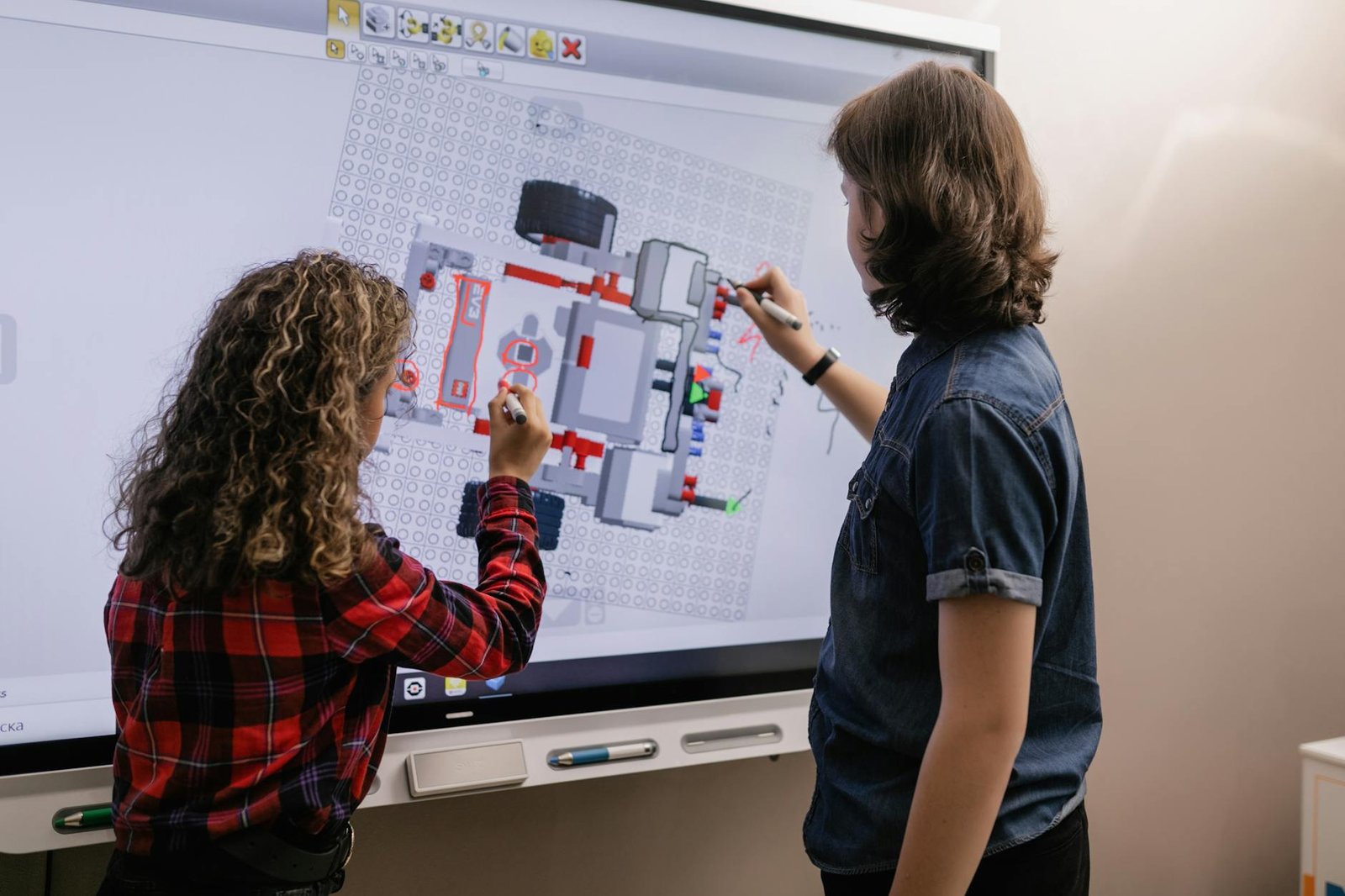
two students using an interactive board

In today’s fast-paced, technology-driven world, students face a myriad of challenges when it comes to staying focused and engaged in the classroom. For some, traditional teaching methods and environments simply don’t align with their unique learning needs. This is particularly true for students who struggle with attention deficits, sensory processing issues, or other learning differences. Fortunately, educators and researchers are increasingly turning to innovative strategies like tactile stimulation and environmental manipulation to help these students thrive. These approaches are proving to be effective in increasing focus, time-on-task, and overall academic achievement.

What is Tactile Stimulation?

Tactile stimulation refers to the use of touch-based activities or tools to engage the senses and promote focus, calmness, and cognitive engagement. It involves providing students with sensory input through their sense of touch, which can help regulate their nervous system and improve their ability to concentrate. This can include anything from fidget tools and textured objects to hands-on learning activities and movement breaks.

For students who struggle with attention or sensory processing, tactile stimulation can serve as a grounding mechanism, helping them stay present and engaged in their learning environment. By providing a controlled outlet for restlessness or sensory-seeking behaviors, these tools can reduce distractions and improve time-on-task.

The Science Behind Tactile Stimulation

Research has shown that tactile stimulation can have a profound impact on the brain and body. The tactile system is one of the first sensory systems to develop in humans, and it plays a critical role in how we process information and interact with the world. When students engage in tactile activities, it activates the somatosensory cortex, the part of the brain responsible for processing touch. This activation can help regulate emotions, reduce stress, and improve focus.

For students with ADHD, autism, or sensory processing disorders, tactile stimulation can be especially beneficial. These students often experience sensory overload or under-stimulation, which can lead to difficulties in maintaining attention. By incorporating tactile tools into their learning environment, educators can create a more balanced sensory experience, allowing students to focus on their work without feeling overwhelmed or under-stimulated.

Environmental Manipulation: Creating a Sensory-Friendly Classroom

In addition to tactile stimulation, environmental manipulation is another key strategy for supporting students who struggle with focus and attention. This involves making intentional changes to the classroom environment to reduce distractions and create a more sensory-friendly space. Some examples of environmental manipulation include:

  • Flexible Seating: Allowing students to choose seating options that suit their needs, such as wobble chairs, bean bags, or standing desks, can help them stay comfortable and focused.
  • Reducing Visual Clutter: A visually overwhelming classroom can be distracting for some students. Simplifying the environment by minimizing posters, decorations, and other visual stimuli can help students concentrate better.
  • Incorporating Movement Breaks: Short, structured movement breaks can help students release excess energy and return to their tasks with renewed focus.
  • Using Calming Colors and Lighting: Soft, neutral colors and natural lighting can create a calming atmosphere that promotes concentration and reduces anxiety.

By combining tactile stimulation with thoughtful environmental adjustments, educators can create a learning environment that meets the diverse needs of their students.

Practical Applications in the Classroom

So, how can teachers incorporate tactile stimulation and environmental manipulation into their daily routines? Here are a few practical ideas:

  1. Fidget Tools: Provide students with fidget spinners, stress balls, or textured objects that they can use discreetly during lessons to help them stay focused.
  2. Hands-On Learning: Incorporate tactile activities into lessons, such as using manipulatives in math or conducting science experiments that involve touch.
  3. Sensory Stations: Create designated areas in the classroom where students can engage in sensory activities, such as playing with kinetic sand or exploring textured materials.
  4. Movement Opportunities: Allow students to use standing desks, take short walks, or engage in stretching exercises to help them stay alert and focused.
  5. Personalized Learning Spaces: Work with students to create individualized learning spaces that meet their sensory needs, whether that means a quiet corner with noise-canceling headphones or a standing desk with a fidget tool.

The Benefits of Tactile Stimulation and Environmental Manipulation

The benefits of these strategies extend far beyond improved focus and attention. Students who feel supported in their sensory needs are more likely to experience:

  • Increased confidence and self-esteem
  • Reduced anxiety and stress
  • Improved academic performance
  • Greater engagement and participation in class
  • Enhanced social and emotional well-being

By addressing the sensory needs of students, educators can create a more inclusive and effective learning environment for all.

Conclusion

Tactile stimulation and environmental manipulation are powerful tools for helping students who struggle with focus and achievement in school. By understanding and addressing the sensory needs of these students, educators can unlock their full potential and set them up for success. As we continue to learn more about the connection between sensory processing and learning, it’s clear that these strategies are not just beneficial—they’re essential for creating a classroom where every student can thrive.

Let’s embrace the power of touch and thoughtful environmental design to transform the way we teach and support our students. After all, when students feel comfortable, focused, and engaged, there’s no limit to what they can achieve.

Continue Reading

Previous: List of influential books related to education and learning
Next: Enjoyment and Learning: The Powerful Connection Between Pleasure and Knowledge

Categories

Archives

  • September 2025
  • July 2025
  • June 2025
  • May 2025
  • April 2025
  • March 2025
  • February 2025
  • January 2025
  • December 2024
  • November 2024
  • October 2024
  • September 2024
  • August 2024
  • July 2024
  • June 2024
  • May 2024
  • April 2024
  • March 2024
  • February 2024
  • January 2024
  • December 2023
  • November 2023
  • October 2023
  • September 2023
  • August 2023
  • July 2023
  • June 2023
  • May 2023
  • April 2023
  • March 2023
  • February 2023
  • January 2023
  • December 2022
  • November 2022
  • October 2022
  • September 2022
  • August 2022
  • July 2022
  • June 2022
  • May 2022
  • April 2022
  • March 2022
  • February 2022
  • January 2022
  • December 2021
  • November 2021
  • October 2021
  • September 2021
  • August 2021
  • July 2021
  • June 2021
  • May 2021
Copy Right © 2025–2026 Learning Science Digest (lsdigest.com). All rights reserved.

Copyright © 2025-2026 LsDigest.com

Copyright © 2025-2026 LsDigest.com | MoreNews by AF themes.