
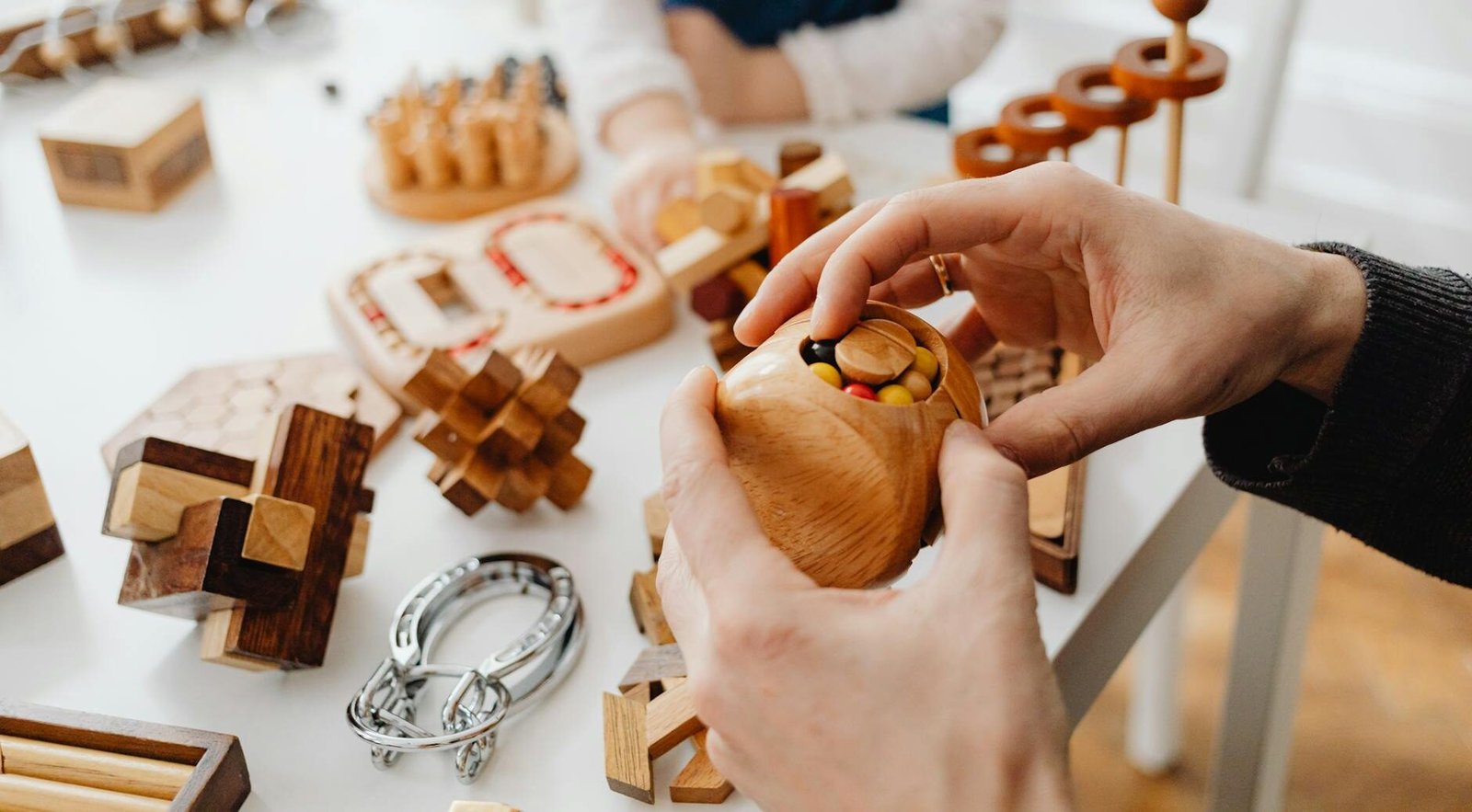
In a world increasingly driven by data, algorithms, and explicit information, there’s a hidden layer of knowledge that often goes unnoticed yet plays a critical role in shaping expertise and success. This is tacit knowledge—the intangible, experience-based understanding that’s hard to articulate but deeply ingrained in how we think, act, and solve problems. Unlike facts or formulas that can be easily written down or taught, tacit knowledge is the silent partner in our decision-making, creativity, and intuition.
What is Tacit Knowledge?
Tacit knowledge is the skills, abilities, and insights we accumulate through life experiences. It’s the “know-how” that comes from doing, observing, and interacting with the world around us. Unlike explicit knowledge, which can be easily documented and shared, tacit knowledge is deeply personal and often subconscious. It’s the reason why a seasoned chef can instinctively adjust a recipe, why a veteran salesperson can sense the perfect moment to close a deal, or why a musician can improvise a melody without thinking.
This type of knowledge is often described as experiential knowledge, know-how knowledge, or even tribal knowledge—a nod to the way it’s passed down through shared experiences and mentorship rather than formal instruction. Tacit knowledge is dynamic, context-dependent, and difficult to teach, which makes it both invaluable and elusive.
Why Tacit Knowledge Matters
In a rapidly evolving world, tacit knowledge is a key differentiator. It’s what separates novices from experts and drives innovation in fields where creativity and adaptability are essential. Consider the following examples:
- Creative Professions: A graphic designer might know how to choose the perfect color palette for a brand, not because they memorized a color theory textbook, but because they’ve developed an intuitive sense of what works through years of practice and experimentation.
- Leadership: Great leaders often rely on tacit knowledge to navigate complex interpersonal dynamics. They might not be able to explain exactly how they build trust or inspire teams, but their ability to do so is rooted in years of experience and emotional intelligence.
- Problem-Solving: Engineers, doctors, and other professionals frequently draw on tacit knowledge to troubleshoot issues. A doctor, for instance, might recognize subtle symptoms of a rare condition not because they’ve read about it, but because they’ve encountered similar cases before.
The Challenge of Sharing Tacit Knowledge
One of the most intriguing aspects of tacit knowledge is how difficult it is to transfer. You can’t simply write it down or explain it in a lecture. This is why apprenticeships, mentorships, and hands-on learning are so effective—they create opportunities for tacit knowledge to be shared through observation, imitation, and practice.
For example, a master carpenter might teach an apprentice not just by explaining techniques, but by working side-by-side and allowing the apprentice to absorb the nuances of the craft. Similarly, a seasoned marketer might guide a junior colleague by sharing stories of past campaigns and letting them observe how decisions are made in real time.
Harnessing Tacit Knowledge in the Digital Age
In today’s digital-first world, where remote work and virtual collaboration are increasingly common, capturing and sharing tacit knowledge has become both more challenging and more important. Organizations are exploring innovative ways to bridge this gap, such as:
- Storytelling: Encouraging employees to share stories and anecdotes that convey lessons learned through experience.
- Mentorship Programs: Pairing less experienced team members with veterans to facilitate the transfer of tacit knowledge.
- Collaborative Tools: Using platforms that enable real-time collaboration and knowledge sharing, even across distances.
Cultivating Your Own Tacit Knowledge
While tacit knowledge is often gained unconsciously, there are ways to actively cultivate it:
- Seek Diverse Experiences: The more varied your experiences, the richer your tacit knowledge will become. Step outside your comfort zone and embrace new challenges.
- Reflect on Your Experiences: Take time to think about what you’ve learned from past successes and failures. Reflection helps solidify tacit knowledge and makes it more accessible.
- Learn from Others: Observe and engage with people who have expertise in areas you want to develop. Ask questions, listen actively, and pay attention to the subtleties of their actions and decisions.
The Future of Tacit Knowledge
As artificial intelligence and automation continue to advance, tacit knowledge will become even more valuable. Machines excel at processing explicit information, but they struggle to replicate the intuitive, context-dependent understanding that comes from human experience. This means that individuals and organizations that can effectively harness and share tacit knowledge will have a significant competitive edge.
Final Thoughts
Tacit knowledge is the invisible thread that weaves together our experiences, skills, and intuition. It’s what allows us to navigate complexity, make split-second decisions, and innovate in ways that can’t be easily explained. By recognizing its value and finding ways to cultivate and share it, we can unlock new levels of expertise and creativity in ourselves and our teams.
About the Author
