Skip to content

Learning-Science Digest

Fringe of Human Learning Technology and Emergence

Categories

  • 4E Cognition
  • Ability grouping
  • Accelerated learning
  • Acting/ Role play
  • Active learning
  • Active/ Action learning
  • Activities
  • Adaptive Learning
  • Administration & Leadership
  • Affordances
  • After-School Programs
  • Agency/ Autonomy
  • Analogy & Analogy based Learning
  • Anchored Instruction
  • Andragogy
  • Anthropology/ Ethnographic learning
  • Apprenticeship
  • Approaches
  • Apps
  • Artificial Intelligence
  • Assessment
  • Asynchronous Learning
  • Attitude
  • Banking model
  • Behavior Design
  • Behavioural
  • Belonging
  • Biology
  • Blended, Flipped, etc
  • books
  • Brain
  • Bricolage
  • Catholic Education
  • Causation
  • Coaching
  • Cognitive Diversity
  • Cognitive Load
  • Cognitive Science
  • Collaborative learning
  • Communities of practice
  • Competency-Based Learning
  • Complexity Theory
  • Compliance Training
  • Computational Learning
  • Computer Based Math
  • Concept Differences
  • Concept similarity
  • Connected Learning
  • Connectivism
  • Constraints
  • Constraints-Led Approach
  • Constructionism
  • Constructivism
  • Contextualized Learning
  • Contrast and Polarity
  • Courses
  • Creativity/ Innovation
  • Critical articles
  • Critical Pedagogy
  • Critical Thinking
  • Cultural Intelligence
  • Cultural Learning
  • Cumulative culture
  • Curriculum
  • Curriculum Design
  • Deliberate Practice
  • Design Science/ Approaches
  • Desirable Difficulty
  • Dialogic Learning
  • Differential learning
  • Digital Learning
  • Direct Instruction/ KLC
  • Disability and Learning
  • Discovery Learning
  • Discussion/ Debate
  • Disposition/Propensity
  • Distributed Cognition/ Learning
  • DIY learning/ Edupunk
  • Dynamics and learning
  • Early Intervention
  • Ecological Approch
  • Ecological Dynamics
  • Ed-tech
  • Education
  • Education Models
  • Education Policy
  • Education Thinkers
  • Effectuation
  • Elaboration
  • Embedded Cognition
  • Embodied Cognition
  • Emergence
  • Emergency learning
  • Emerging technology
  • Emulative learning
  • Enactive learning
  • Enskilment
  • Entangled pedagogy
  • Entrepreneurial Learning
  • Ethics and Moral learning
  • Evaluation
  • Evidence
  • Evolution and Learning
  • Exams
  • Exaptation
  • Exercise
  • Experiential Learning
  • Expertise
  • Explicit instruction
  • Extended Cognition
  • Family/ Religion
  • Feedback
  • Frameworks
  • Future Of Learning
  • Games/ Gamification
  • Generation Effect
  • Generative AI
  • Genius
  • Geragogy
  • Grading
  • Happiness and learning
  • Heuristics
  • Heutagogy
  • Higher Education
  • History Of Education
  • Home Slider
  • Home/ Home Schooling/ Learning
  • Homework
  • Human Machine Interface
  • Humor
  • Hypercorrection
  • Improvisation
  • Informal Learning
  • Innovation
  • Inquiry
  • Instructional Design
  • Instrumentalism
  • Intelligence
  • Interviews
  • Job training
  • Knowledge Rich Curriculum
  • Knowledge: Types. etc.
  • Labelling
  • Language Learning
  • Law and Legal Learning
  • Learning and Development
  • Learning Difficulties
  • Learning Environments
  • Learning for life
  • Learning in Chaos
  • Learning in complexity
  • Learning Management System
  • Learning Myths
  • Learning Programming
  • Learning Science
  • Learning Stations
  • Learning Systems
  • Learning Techniques/Methods
  • Learning Thinkers
  • Learning under anxiety/pressure/stress
  • Learning/ Teaching Strategies
  • Learning/ Understanding By Design
  • Looping effect
  • Maker Learning
  • Mastery
  • Mathew Effect
  • Maths Learning
  • Measurement
  • Medical Education/Learning
  • Memory
  • Meta-Analysis
  • Meta-Cognition
  • mindset
  • Mnemonics
  • Montessori
  • Motivation
  • Motor Learning
  • Music/ Arts and Learning
  • Mystagogy
  • Needs and Need based Learning
  • Networked Learning
  • Networks and Ecosystem
  • Neurodivergence
  • Neuroscience
  • Non Computational
  • Non-Representational
  • Nonlinear Pedagogy
  • Novelty and learning
  • Observational learning
  • On-the-Job Training
  • Online and MOOC Learning
  • outdoor-education
  • Pedagogy
  • Peer Learning
  • Personalized Learning
  • Philosophy Of Education
  • Philosophy Of Learning
  • Philosophy Of Science
  • Place-Based Learning
  • Play/ Ludic Pedagogy
  • Policy
  • Pragmatism
  • Problem-based learning
  • Productive Failures
  • Professional education
  • Professional Learning
  • Progressive Education
  • Project Based Learning
  • Proximity and Learning
  • Psychological Issues
  • Question asking/ Question design
  • Reading , Literacy , etc
  • Recognition
  • Reification/ Reductionism
  • Relational Expertise
  • Relational Learning
  • Religion
  • Research
  • Resting/ offline consolidation
  • Retrieval
  • Salience/Closeness
  • Scaffolding
  • Science Of Learning
  • self-efficacy
  • Self-Organization
  • Self-Paced Learning
  • Self-Regulated/ Self-Directed
  • Service Learning
  • Short Concept Introduction
  • Signalling
  • Simulation or Simulative Learning
  • Situated Learning
  • Skill
  • Sleep and Rest
  • Social Effects
  • Social Learning
  • Social-emotional learning
  • Society-Ecosystem etc
  • Socioeconomic Factors
  • Sociology Of Learning
  • Software And Technology Review
  • Speaking/Public Speaking
  • Spiral design
  • Sports learning
  • Sports Science
  • Story/Narrative based learning
  • Studying
  • Teacher/ teaching
  • Testing
  • Theology and learning
  • Theories
  • Tools, Aids, Artifacts
  • Training
  • Training Needs Analysis
  • Transdisciplinary/ Interdisciplinary, etc
  • Transfer Of Learning
  • Trending News
  • Uncategorized
  • Uncertainty and learning
  • Variable Practice
  • Vicarious learning
  • Video playlist
  • Virtual, Augmented, etc
  • Visible Learning/ Hattie
  • Visual Learning/Drawing
  • Vocational Education
  • Wakeful Resting
  • Work Place Learning
  • Workshop Model
  • Zone of Proximal Development (ZPD)
Primary Menu
  • Home
  • About
  • Thinkers
    • Learning Thinkers
    • Education Thinkers
  • Design For Learning
    • Design Science/ Approaches
    • Instructional Design
    • Behavior Design
    • Curriculum Design
    • Learning/ Understanding By Design
    • Motivation
    • Ecological Approch
    • Blended, Flipped, etc
    • Games/ Gamification
  • Tools/Techniques/Methods
    • Learning Techniques/Methods
    • Education Models
    • Testing
    • Retrieval
    • Blended, Flipped, etc
    • Differential learning
    • Dialogic Learning
    • Computer Based Math
    • Tools, Aids, Artifacts
    • Knowledge Rich Curriculum
    • Cognitive Load
    • Online and MOOC Learning
    • Scaffolding
    • Contrast and Polarity
    • Play/ Ludic Pedagogy
    • Problem-based learning
    • Cultural Learning
    • Direct Instruction/ KLC
    • Deliberate Practice
    • Visual Learning/Drawing
    • Games/ Gamification
    • Acting/ Role play
    • Analogy & Analogy based Learning
    • Inquiry
    • Improvisation
    • Constructionism
    • Situated Learning
    • Productive Failures
    • Anthropology/ Ethnographic learning
    • Project Based Learning
    • Connected Learning
    • Nonlinear Pedagogy
    • Personalized Learning
    • Maker Learning
    • Virtual, Augmented, etc
    • Service Learning
    • Constructivism
    • Connectivism
    • Vicarious learning
    • Active/ Action learning
    • Computational Learning
    • Relational Learning
    • Apprenticeship
    • Communities of practice
    • Home/ Home Schooling/ Learning
    • Contextualized Learning
    • DIY learning/ Edupunk
    • Constraints-Led Approach
    • Peer Learning
  • Domains
    • Language Learning
    • Entrepreneurial Learning
    • Maths Learning
    • Sports Science
    • Theology and learning
    • Sports learning
    • Professional education
    • Law and Legal Learning
    • Catholic Education
    • Higher Education
    • Medical Education/Learning
    • Work Place Learning
    • Learning Programming
    • On-the-Job Training
    • Job training
    • Compliance Training
  • Approaches
    • Neuroscience
    • Social Learning
    • Ecological Approch
    • 4E Cognition
    • Active learning
    • Transfer Of Learning
    • Cumulative culture
    • Embodied Cognition
    • Evolution and Learning
    • Embedded Cognition
    • Differential learning
    • Dialogic Learning
    • Experiential Learning
    • Learning Environments
    • Cultural Intelligence
    • Enactive learning
    • Constraints-Led Approach
    • Non-Representational
    • Self-Organization
    • Relational Learning
    • Relational Expertise
    • Enskilment
    • Extended Cognition
    • Distributed Cognition/ Learning
  • Artificial Intelligence
  • Education Policy
  • Expertise
Subscribe or Login
  • Home
  • Ability grouping
  • The Debate on Ability Grouping in Education: Balancing Individual Needs and Equity
  • Ability grouping
  • Collaborative learning
  • Labelling

The Debate on Ability Grouping in Education: Balancing Individual Needs and Equity

Thomas Collins July 3, 2024
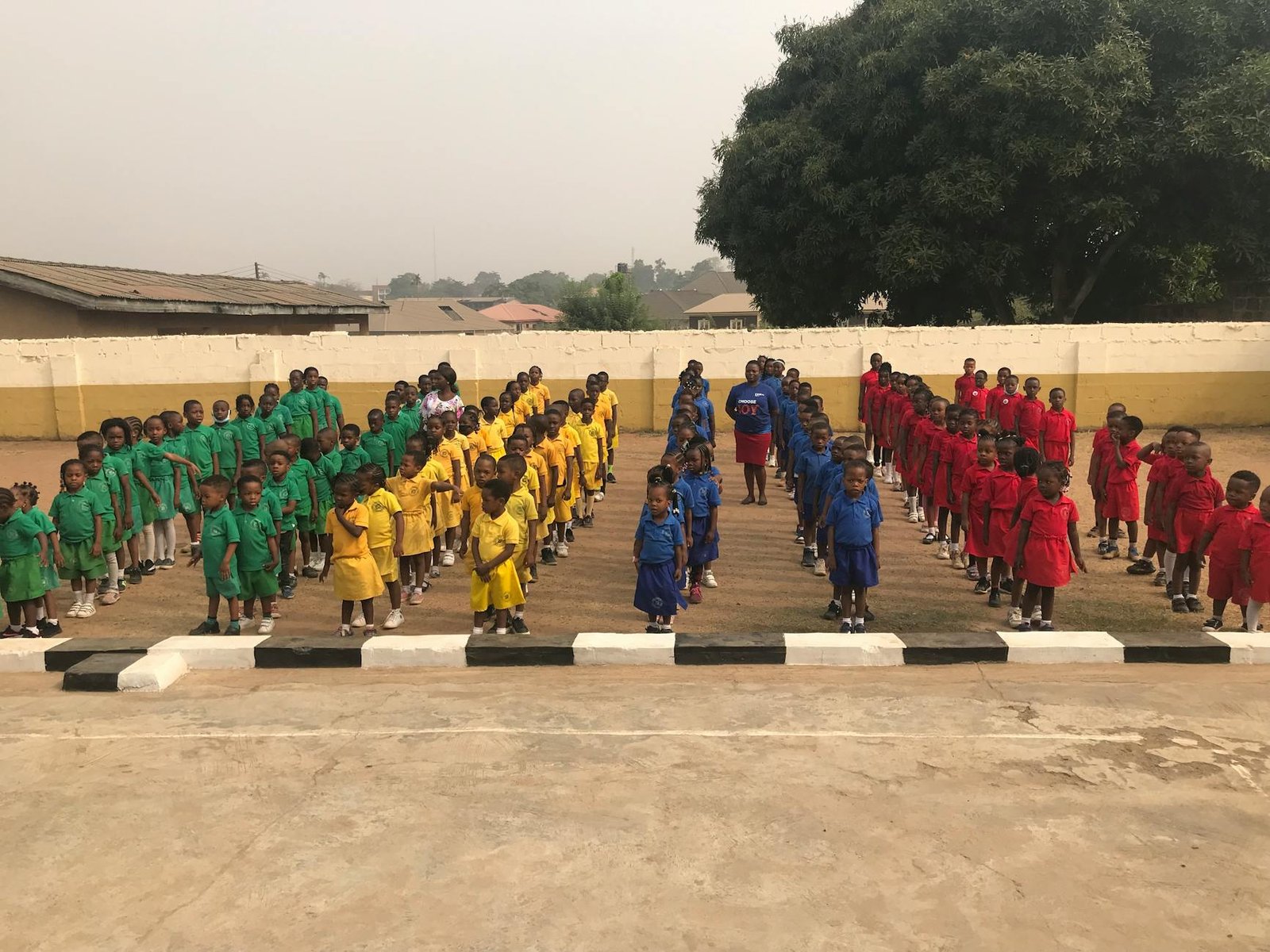
young pupils in their school uniform

Photo by Unique Digitals on <a href="https://www.pexels.com/photo/young-pupils-in-their-school-uniform-11153566/" rel="nofollow">Pexels.com</a>

Ability grouping, a method of organizing learners based on their strengths and talents, has long been a topic of debate in the education field. Advocates and opponents alike present compelling arguments about its impact on student achievement, equity, and instructional quality. This post delves into both sides of the argument, examining the potential benefits and challenges of ability grouping.

The Case for Ability Grouping

Proponents of ability grouping argue that this practice enables educators to tailor their instruction to better meet the diverse needs of students. By grouping learners according to their skill levels, teachers can:

  1. Customize the Pace of Learning: Advanced learners can engage with challenging material at a faster pace, while students who need additional support can progress at a rate that allows for greater understanding.
  2. Targeted Instruction: Teachers can focus on specific skills and concepts that align with the group’s ability level, making lessons more effective and relevant.
  3. Repetition and Reinforcement: Lower-achieving students can benefit from additional practice and guidance, helping them build a solid foundation of knowledge and skills.
  4. Advanced Opportunities: Higher-achieving students can delve into deeper, more complex topics that stimulate their curiosity and intellect.

Advocates believe that this tailored approach can lead to improved student achievement, as each learner receives instruction that is appropriate for their current level of understanding.

The Criticisms of Ability Grouping

Despite its potential benefits, ability grouping has faced significant criticism. Opponents argue that the practice can exacerbate educational inequalities and create unintended consequences, such as:

  1. Reinforcing Socioeconomic Disparities: Critics contend that ability grouping often disproportionately places students from low-income and minority backgrounds into lower tracks, limiting their access to high-quality instruction and resources.
  2. Stigmatization and Self-Esteem Issues: Being placed in a lower ability group can negatively impact students’ self-esteem and motivation, creating a self-fulfilling prophecy of underachievement.
  3. Quality of Instruction: Students in lower groups may receive less challenging and engaging instruction, further widening the achievement gap.
  4. Reduced Social Interaction: Ability grouping can limit opportunities for students to learn from diverse peers, potentially hindering the development of collaborative and social skills.

Striking a Balance

The debate over ability grouping highlights the tension between providing individualized support and ensuring equity in education. While the practice has potential to enhance learning outcomes for some students, it must be implemented carefully to avoid perpetuating inequities. Here are some strategies to balance these goals:

  1. Flexible Grouping: Regularly reassess and adjust group placements to reflect students’ progress and prevent stagnation.
  2. Differentiated Instruction: Incorporate diverse teaching strategies within mixed-ability classrooms to meet varying needs without formal tracking.
  3. Professional Development: Equip educators with the skills and resources needed to effectively manage ability grouping and address equity concerns.
  4. Inclusive Practices: Foster a classroom environment that values all learners and avoids labeling students based on ability levels.

Conclusion

Ability grouping remains a complex and polarizing issue in education. While its potential to personalize learning is appealing, educators must be mindful of its impact on equity and student well-being. By adopting thoughtful and inclusive approaches, schools can strive to meet the diverse needs of all learners while promoting fairness and opportunity for every student.

Continue Reading

Previous: 10 Insights from Johann Friedrich Herbart on Learning and Education
Next: Role of Generative AI in Higher Education(video)

Categories

Archives

  • September 2025
  • July 2025
  • June 2025
  • May 2025
  • April 2025
  • March 2025
  • February 2025
  • January 2025
  • December 2024
  • November 2024
  • October 2024
  • September 2024
  • August 2024
  • July 2024
  • June 2024
  • May 2024
  • April 2024
  • March 2024
  • February 2024
  • January 2024
  • December 2023
  • November 2023
  • October 2023
  • September 2023
  • August 2023
  • July 2023
  • June 2023
  • May 2023
  • April 2023
  • March 2023
  • February 2023
  • January 2023
  • December 2022
  • November 2022
  • October 2022
  • September 2022
  • August 2022
  • July 2022
  • June 2022
  • May 2022
  • April 2022
  • March 2022
  • February 2022
  • January 2022
  • December 2021
  • November 2021
  • October 2021
  • September 2021
  • August 2021
  • July 2021
  • June 2021
  • May 2021
Copy Right © 2025–2026 Learning Science Digest (lsdigest.com). All rights reserved.

Copyright © 2025-2026 LsDigest.com

Copyright © 2025-2026 LsDigest.com | MoreNews by AF themes.