
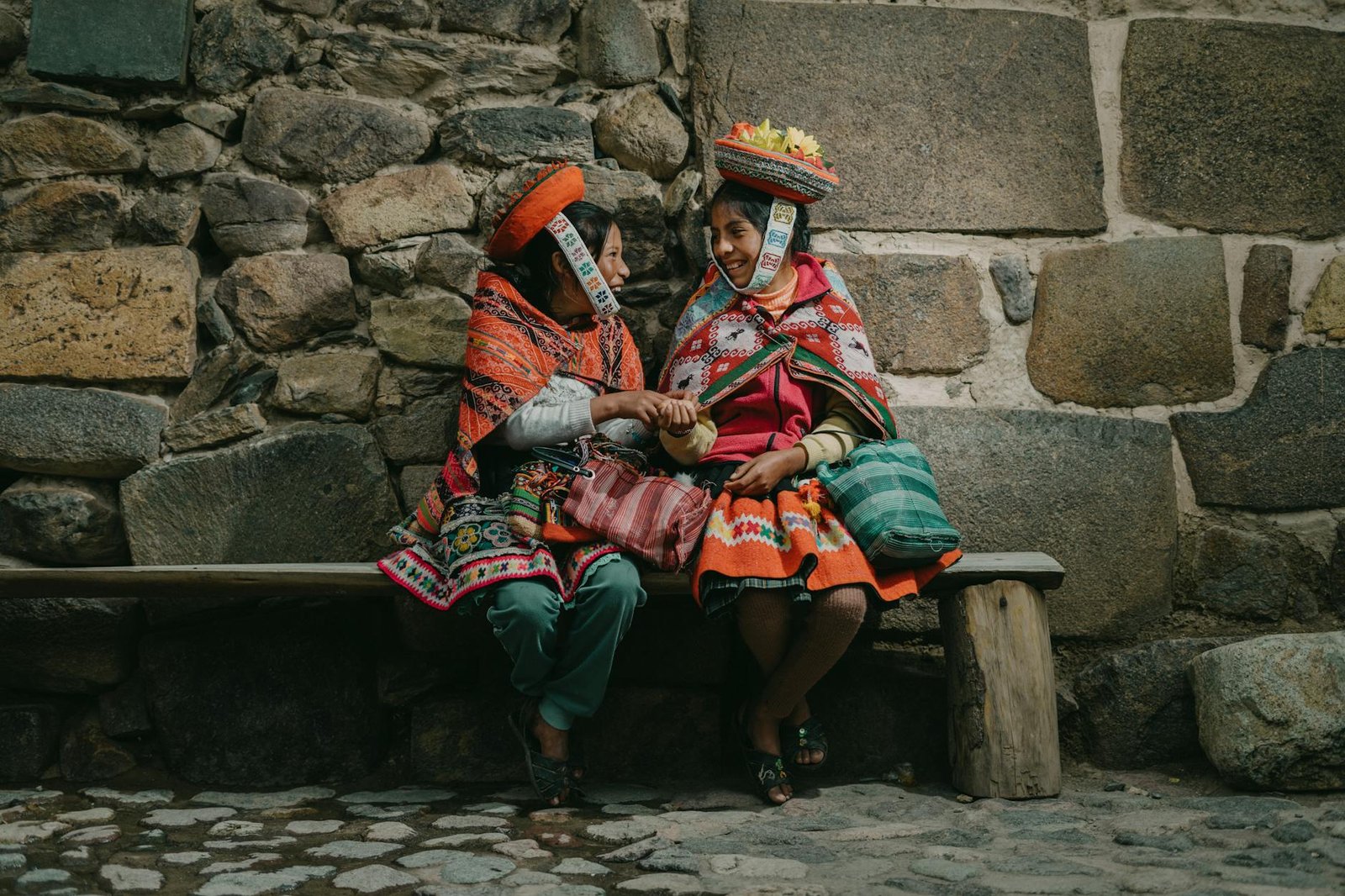
Photo by Sarau00ed Carrasco on <a href="https://www.pexels.com/photo/peruvian-girls-wearing-traditional-clothing-sitting-on-a-bench-by-a-wall-20453587/" rel="nofollow">Pexels.com</a>
In our increasingly interconnected world, understanding and appreciating diverse cultures has never been more important. Cultural exchange learning provides a unique opportunity to bridge divides, foster mutual respect, and cultivate a deeper sense of empathy and global awareness. Whether through formal programs, informal travel, or virtual interactions, cultural exchanges enrich lives in profound ways.
Understanding Cultural Exchange Learning
Cultural exchange learning refers to the practice of engaging with people from different cultures to gain insight into their traditions, values, and perspectives. This can happen in various forms, including:
- Study Abroad Programs: Students immerse themselves in a foreign country, attending local schools and experiencing day-to-day life firsthand.
- Cultural Workshops: Interactive sessions focusing on cuisine, art, music, or language.
- Work and Volunteer Opportunities: International volunteering or work placements that allow participants to engage directly with local communities.
- Virtual Exchanges: Online platforms connecting individuals or groups from different parts of the world.
The Benefits of Cultural Exchange Learning
- Fostering Empathy and Understanding: Interacting with individuals from diverse backgrounds allows participants to appreciate different worldviews. These experiences break down stereotypes and promote empathy by revealing shared humanity amidst cultural differences.
- Enhancing Global Awareness: Exposure to new customs, traditions, and social norms broadens participants’ perspectives. They gain a better understanding of global issues and develop the ability to think critically about complex cultural dynamics.
- Building Interpersonal Skills: Cultural exchanges enhance communication skills, adaptability, and open-mindedness. Navigating unfamiliar environments requires patience, resilience, and a willingness to learn—all valuable life skills.
- Promoting Peace and Collaboration: By fostering mutual respect and reducing cultural misunderstandings, exchange programs can contribute to a more harmonious global community. Participants often become advocates for inclusivity and cross-cultural collaboration.
Practical Ways to Engage in Cultural Exchange Learning
- Host an Exchange Student: Opening your home to someone from another country can be a deeply rewarding experience, offering both parties the chance to share and learn.
- Participate in Local Cultural Events: Festivals, workshops, and community events celebrating diversity are excellent ways to connect with different cultures without traveling.
- Learn a New Language: Language is a gateway to understanding culture. Engaging in language exchange programs or apps can be both educational and enlightening.
- Join Virtual Cultural Communities: Online forums, social media groups, or video conferencing platforms allow for meaningful cultural exchanges from the comfort of home.
Challenges and How to Overcome Them
While cultural exchange learning offers many benefits, it’s not without challenges. Language barriers, cultural misunderstandings, and feelings of isolation can arise. However, these hurdles can be overcome with preparation and an open mind:
- Do Your Homework: Research the culture you’re engaging with to better understand its nuances.
- Practice Active Listening: Approach conversations with curiosity and respect, focusing on understanding rather than judgment.
- Seek Support: Connect with mentors or peers who have prior experience in cultural exchanges.
A Call to Action
As we navigate an era of globalization, cultural exchange learning is a vital tool for building bridges and fostering unity. By embracing these opportunities, we not only enrich our own lives but also contribute to a more empathetic and interconnected world. Whether you take the leap to explore a new country or engage with diverse communities at home, every effort counts in making the world a smaller, more understanding place.
Conclusion
Cultural exchange learning is more than just a means of education—it’s a pathway to global citizenship. By stepping out of our comfort zones and engaging with others, we develop the skills and empathy needed to thrive in an interconnected world. So why wait? Begin your journey of cultural discovery today and experience the transformative power of connection.
About the Author
