
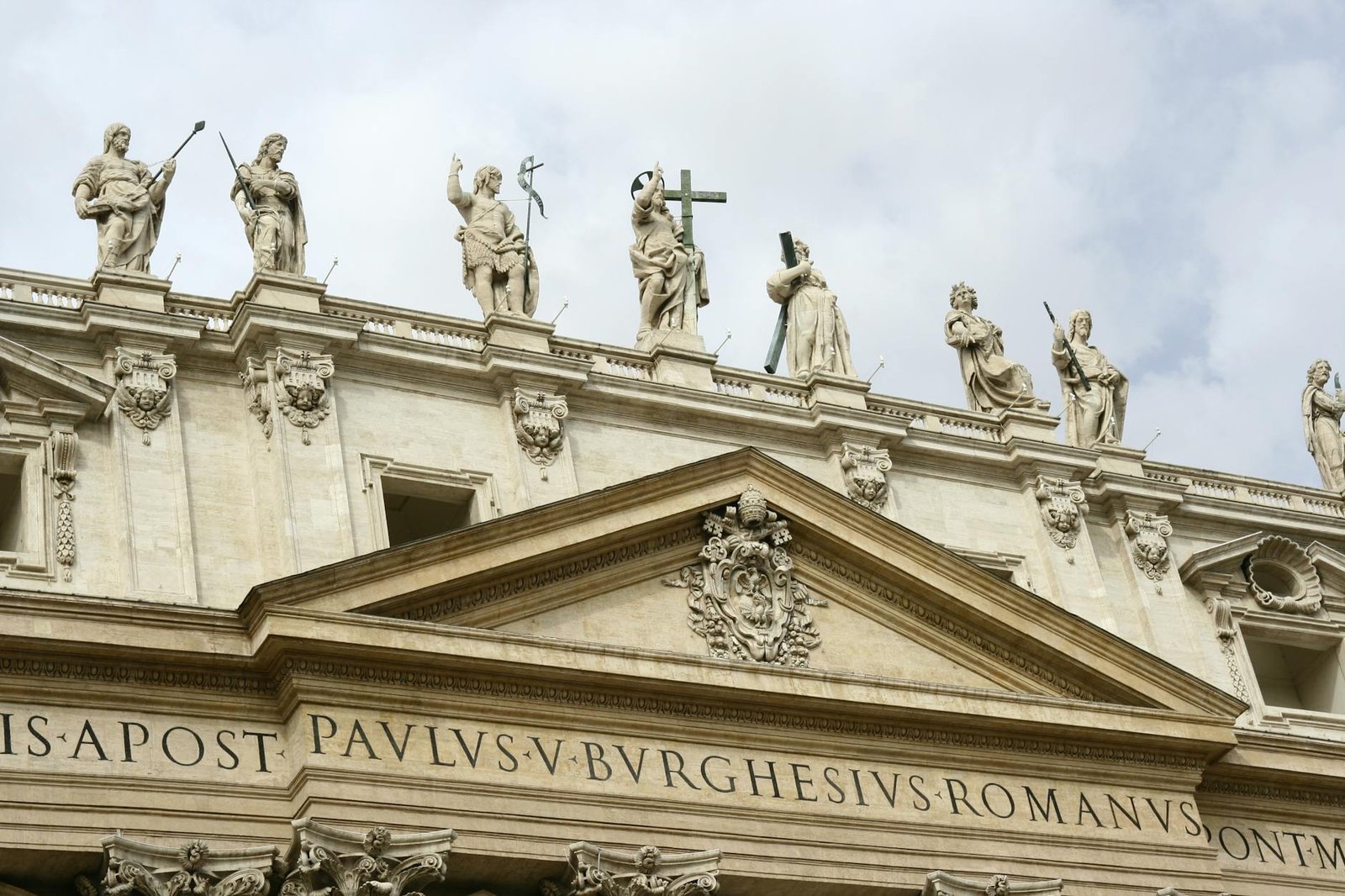
Photo by JV Gardens on <a href="https://www.pexels.com/photo/saint-peter-s-basilica-339887/" rel="nofollow">Pexels.com</a>
The Catholic Church offers valuable insights into education and teaching that are deeply rooted in its theological and philosophical traditions. Here are some lessons that the Catholic Church can impart on learning, education, and teaching:
- Holistic Education: The Catholic approach to education emphasizes the formation of the whole person—intellectually, morally, spiritually, and emotionally. This reflects the Church’s understanding of humans as beings with both material and spiritual dimensions. The Church advocates for an education that nurtures both reason and faith, intellectual growth and moral development.
- Human Dignity and Respect: The Church teaches that every individual has inherent dignity and worth, regardless of background, social status, or academic ability. Catholic education focuses on helping each student recognize their potential and offering an environment where they are respected, supported, and encouraged to grow in their unique capacities.
- Catholic Social Teaching and Justice: Catholic education often emphasizes social justice and the moral imperative to help the marginalized and oppressed. It encourages students to engage with societal issues such as poverty, inequality, and human rights, aiming to create responsible citizens who are mindful of the common good and the value of solidarity.
- The Role of Faith in Education: Catholic schools integrate religious education into the curriculum, but the focus goes beyond rote learning of dogma. The Church encourages critical reflection on faith and its relationship with reason, which encourages students to ask questions, seek understanding, and reconcile their beliefs with the world around them.
- The Importance of Teachers as Role Models: Teachers in Catholic education are often seen not only as instructors but also as role models of Christian virtue. They are expected to guide students both in academic subjects and in their personal and spiritual lives, promoting an environment of mentorship, moral guidance, and personal development.
- The Development of Critical Thinking: Catholic education has a rich intellectual tradition, with a focus on critical thinking and reasoning. From the Scholasticism of figures like St. Thomas Aquinas to contemporary Catholic intellectuals, the Church encourages a rational, logical approach to knowledge, combining faith and reason.
- Community and Collaboration: Education in the Catholic tradition often stresses the importance of community—within the school, the Church, and the broader society. Collaborative learning, working together to solve problems, and nurturing a sense of belonging are central values.
- Care for the Poor and Vulnerable: Catholic education places special emphasis on reaching out to the disadvantaged, offering education to those who might otherwise be excluded. Many Catholic institutions focus on providing opportunities for underprivileged children and supporting educational initiatives in impoverished areas.
- Moral and Ethical Framework: Catholic education is grounded in a moral and ethical framework that informs both academic learning and social interactions. Lessons are often drawn from Christian teachings about virtue, charity, justice, and truth, helping students develop a sense of moral responsibility.
- Tradition and Innovation: While the Catholic Church places significant importance on tradition and classical education, it also encourages innovation and adaptation. Catholic educational institutions have historically played key roles in pioneering new methods and approaches, blending tradition with contemporary needs.
These principles reflect a deep understanding of human nature and the importance of nurturing not only intellectual but also moral and spiritual growth. They can serve as valuable guidance for anyone looking to foster a well-rounded, meaningful, and socially responsible educational environment.
About the Author
