
Skip to content

Learning-Science Digest

Fringe of Human Learning Technology and Emergence

Categories

  • 4E Cognition
  • Ability grouping
  • Accelerated learning
  • Acting/ Role play
  • Active learning
  • Active/ Action learning
  • Activities
  • Adaptive Learning
  • Administration & Leadership
  • Affordances
  • After-School Programs
  • Agency/ Autonomy
  • Analogy & Analogy based Learning
  • Anchored Instruction
  • Andragogy
  • Anthropology/ Ethnographic learning
  • Apprenticeship
  • Approaches
  • Apps
  • Artificial Intelligence
  • Assessment
  • Asynchronous Learning
  • Attitude
  • Banking model
  • Behavior Design
  • Behavioural
  • Belonging
  • Biology
  • Blended, Flipped, etc
  • books
  • Brain
  • Bricolage
  • Catholic Education
  • Causation
  • Coaching
  • Cognitive Diversity
  • Cognitive Load
  • Cognitive Science
  • Collaborative learning
  • Communities of practice
  • Competency-Based Learning
  • Complexity Theory
  • Compliance Training
  • Computational Learning
  • Computer Based Math
  • Concept Differences
  • Concept similarity
  • Connected Learning
  • Connectivism
  • Constraints
  • Constraints-Led Approach
  • Constructionism
  • Constructivism
  • Contextualized Learning
  • Contrast and Polarity
  • Courses
  • Creativity/ Innovation
  • Critical articles
  • Critical Pedagogy
  • Critical Thinking
  • Cultural Intelligence
  • Cultural Learning
  • Cumulative culture
  • Curriculum
  • Curriculum Design
  • Deliberate Practice
  • Design Science/ Approaches
  • Desirable Difficulty
  • Dialogic Learning
  • Differential learning
  • Digital Learning
  • Direct Instruction/ KLC
  • Disability and Learning
  • Discovery Learning
  • Discussion/ Debate
  • Disposition/Propensity
  • Distributed Cognition/ Learning
  • DIY learning/ Edupunk
  • Dynamics and learning
  • Early Intervention
  • Ecological Approch
  • Ecological Dynamics
  • Ed-tech
  • Education
  • Education Models
  • Education Policy
  • Education Thinkers
  • Effectuation
  • Elaboration
  • Embedded Cognition
  • Embodied Cognition
  • Emergence
  • Emergency learning
  • Emerging technology
  • Emulative learning
  • Enactive learning
  • Enskilment
  • Entangled pedagogy
  • Entrepreneurial Learning
  • Ethics and Moral learning
  • Evaluation
  • Evidence
  • Evolution and Learning
  • Exams
  • Exaptation
  • Exercise
  • Experiential Learning
  • Expertise
  • Explicit instruction
  • Extended Cognition
  • Family/ Religion
  • Feedback
  • Frameworks
  • Future Of Learning
  • Games/ Gamification
  • Generation Effect
  • Generative AI
  • Genius
  • Geragogy
  • Grading
  • Happiness and learning
  • Heuristics
  • Heutagogy
  • Higher Education
  • History Of Education
  • Home Slider
  • Home/ Home Schooling/ Learning
  • Homework
  • Human Machine Interface
  • Humor
  • Hypercorrection
  • Improvisation
  • Informal Learning
  • Innovation
  • Inquiry
  • Instructional Design
  • Instrumentalism
  • Intelligence
  • Interviews
  • Job training
  • Knowledge Rich Curriculum
  • Knowledge: Types. etc.
  • Labelling
  • Language Learning
  • Law and Legal Learning
  • Learning and Development
  • Learning Difficulties
  • Learning Environments
  • Learning for life
  • Learning in Chaos
  • Learning in complexity
  • Learning Management System
  • Learning Myths
  • Learning Programming
  • Learning Science
  • Learning Stations
  • Learning Systems
  • Learning Techniques/Methods
  • Learning Thinkers
  • Learning under anxiety/pressure/stress
  • Learning/ Teaching Strategies
  • Learning/ Understanding By Design
  • Looping effect
  • Maker Learning
  • Mastery
  • Mathew Effect
  • Maths Learning
  • Measurement
  • Medical Education/Learning
  • Memory
  • Meta-Analysis
  • Meta-Cognition
  • mindset
  • Mnemonics
  • Montessori
  • Motivation
  • Motor Learning
  • Music/ Arts and Learning
  • Mystagogy
  • Needs and Need based Learning
  • Networked Learning
  • Networks and Ecosystem
  • Neurodivergence
  • Neuroscience
  • Non Computational
  • Non-Representational
  • Nonlinear Pedagogy
  • Novelty and learning
  • Observational learning
  • On-the-Job Training
  • Online and MOOC Learning
  • outdoor-education
  • Pedagogy
  • Peer Learning
  • Personalized Learning
  • Philosophy Of Education
  • Philosophy Of Learning
  • Philosophy Of Science
  • Place-Based Learning
  • Play/ Ludic Pedagogy
  • Policy
  • Pragmatism
  • Problem-based learning
  • Productive Failures
  • Professional education
  • Professional Learning
  • Progressive Education
  • Project Based Learning
  • Proximity and Learning
  • Psychological Issues
  • Question asking/ Question design
  • Reading , Literacy , etc
  • Recognition
  • Reification/ Reductionism
  • Relational Expertise
  • Relational Learning
  • Religion
  • Research
  • Resting/ offline consolidation
  • Retrieval
  • Salience/Closeness
  • Scaffolding
  • Science Of Learning
  • self-efficacy
  • Self-Organization
  • Self-Paced Learning
  • Self-Regulated/ Self-Directed
  • Service Learning
  • Short Concept Introduction
  • Signalling
  • Simulation or Simulative Learning
  • Situated Learning
  • Skill
  • Sleep and Rest
  • Social Effects
  • Social Learning
  • Social-emotional learning
  • Society-Ecosystem etc
  • Socioeconomic Factors
  • Sociology Of Learning
  • Software And Technology Review
  • Speaking/Public Speaking
  • Spiral design
  • Sports learning
  • Sports Science
  • Story/Narrative based learning
  • Studying
  • Teacher/ teaching
  • Testing
  • Theology and learning
  • Theories
  • Tools, Aids, Artifacts
  • Training
  • Training Needs Analysis
  • Transdisciplinary/ Interdisciplinary, etc
  • Transfer Of Learning
  • Trending News
  • Uncategorized
  • Uncertainty and learning
  • Variable Practice
  • Vicarious learning
  • Video playlist
  • Virtual, Augmented, etc
  • Visible Learning/ Hattie
  • Visual Learning/Drawing
  • Vocational Education
  • Wakeful Resting
  • Work Place Learning
  • Workshop Model
  • Zone of Proximal Development (ZPD)
Primary Menu
  • Home
  • About
  • Thinkers
    • Learning Thinkers
    • Education Thinkers
  • Design For Learning
    • Design Science/ Approaches
    • Instructional Design
    • Behavior Design
    • Curriculum Design
    • Learning/ Understanding By Design
    • Motivation
    • Ecological Approch
    • Blended, Flipped, etc
    • Games/ Gamification
  • Tools/Techniques/Methods
    • Learning Techniques/Methods
    • Education Models
    • Testing
    • Retrieval
    • Blended, Flipped, etc
    • Differential learning
    • Dialogic Learning
    • Computer Based Math
    • Tools, Aids, Artifacts
    • Knowledge Rich Curriculum
    • Cognitive Load
    • Online and MOOC Learning
    • Scaffolding
    • Contrast and Polarity
    • Play/ Ludic Pedagogy
    • Problem-based learning
    • Cultural Learning
    • Direct Instruction/ KLC
    • Deliberate Practice
    • Visual Learning/Drawing
    • Games/ Gamification
    • Acting/ Role play
    • Analogy & Analogy based Learning
    • Inquiry
    • Improvisation
    • Constructionism
    • Situated Learning
    • Productive Failures
    • Anthropology/ Ethnographic learning
    • Project Based Learning
    • Connected Learning
    • Nonlinear Pedagogy
    • Personalized Learning
    • Maker Learning
    • Virtual, Augmented, etc
    • Service Learning
    • Constructivism
    • Connectivism
    • Vicarious learning
    • Active/ Action learning
    • Computational Learning
    • Relational Learning
    • Apprenticeship
    • Communities of practice
    • Home/ Home Schooling/ Learning
    • Contextualized Learning
    • DIY learning/ Edupunk
    • Constraints-Led Approach
    • Peer Learning
  • Domains
    • Language Learning
    • Entrepreneurial Learning
    • Maths Learning
    • Sports Science
    • Theology and learning
    • Sports learning
    • Professional education
    • Law and Legal Learning
    • Catholic Education
    • Higher Education
    • Medical Education/Learning
    • Work Place Learning
    • Learning Programming
    • On-the-Job Training
    • Job training
    • Compliance Training
  • Approaches
    • Neuroscience
    • Social Learning
    • Ecological Approch
    • 4E Cognition
    • Active learning
    • Transfer Of Learning
    • Cumulative culture
    • Embodied Cognition
    • Evolution and Learning
    • Embedded Cognition
    • Differential learning
    • Dialogic Learning
    • Experiential Learning
    • Learning Environments
    • Cultural Intelligence
    • Enactive learning
    • Constraints-Led Approach
    • Non-Representational
    • Self-Organization
    • Relational Learning
    • Relational Expertise
    • Enskilment
    • Extended Cognition
    • Distributed Cognition/ Learning
  • Artificial Intelligence
  • Education Policy
  • Expertise
Subscribe or Login
  • Home
  • Learning/ Teaching Strategies
  • 50 Frameworks for Learning: A Comprehensive Guide to Teaching, Education, and Skill Development Approaches
  • Learning/ Teaching Strategies
  • Pedagogy
  • Teacher/ teaching
  • Theories

50 Frameworks for Learning: A Comprehensive Guide to Teaching, Education, and Skill Development Approaches

kiran Johny September 22, 2023
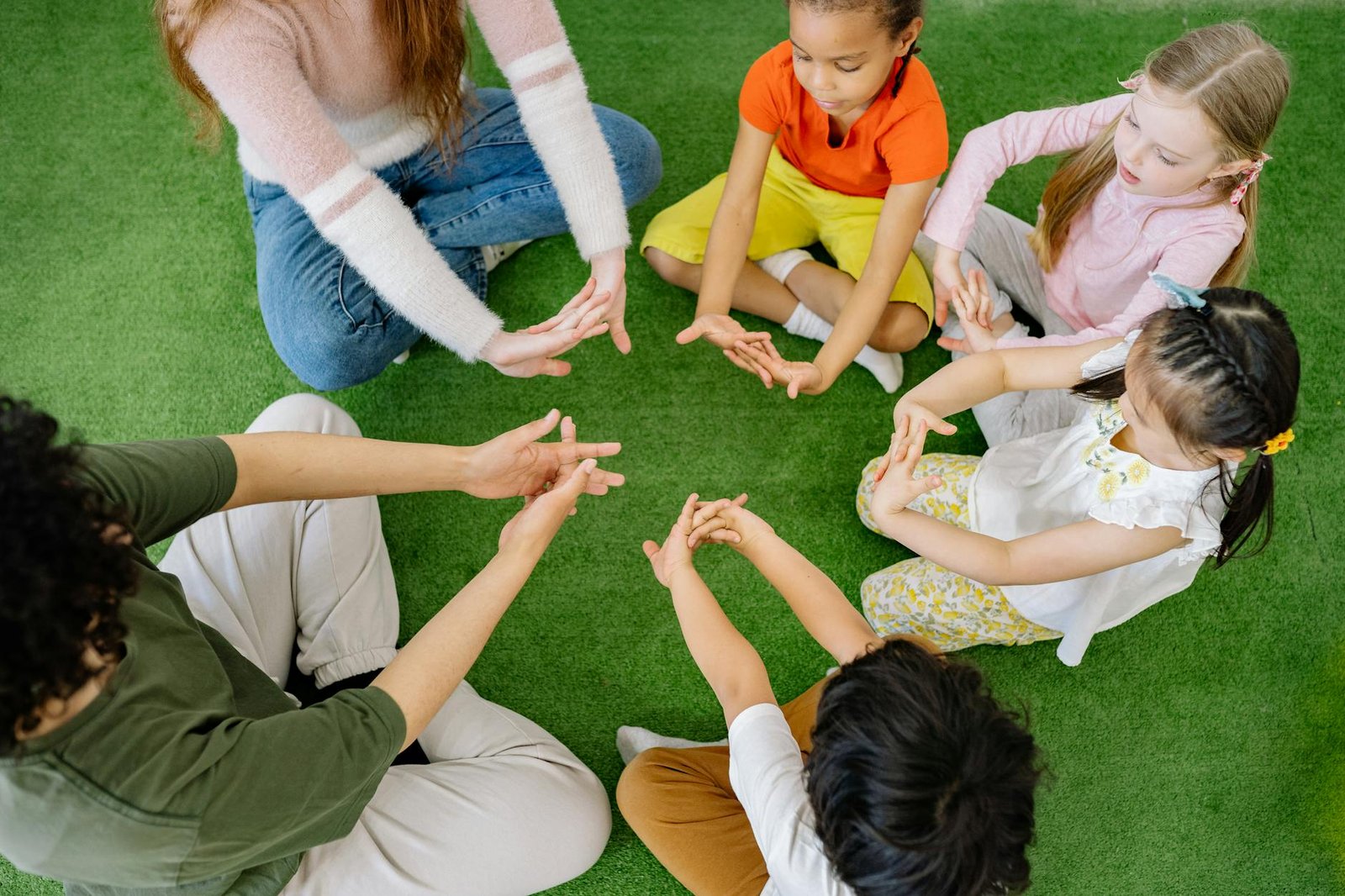
preschool children doing hand exercise with teachers

Photo by Yan Krukau on <a href="https://www.pexels.com/photo/preschool-children-doing-hand-exercise-with-teachers-8613366/" rel="nofollow">Pexels.com</a>

1. Pedagogy

  • Refers to the art and science of teaching children.
  • Focuses on structured instruction, teacher-centered approaches, and curriculum-driven learning.

2. Andragogy

  • The method and practice of teaching adult learners.
  • Emphasizes self-directed learning, experiential learning, and problem-solving.

3. Heutagogy

  • Learner-centered approach emphasizing self-determined learning.
  • Learners identify their own needs and develop autonomy in acquiring skills and knowledge.

4. Cybergogy

  • Focuses on learning in virtual and digital environments.
  • Incorporates gamification, interactivity, and collaborative tools for engagement.

5. Geragogy

  • The method of teaching older adults.
  • Takes into account physiological and psychological changes with age and prioritizes practical, slow-paced, and accessible instruction.

6. Sociocultural Theory of Learning

  • Based on Vygotsky’s work, emphasizing the role of social interaction and cultural tools in learning.
  • Learning occurs through collaboration and shared experiences.

7. Experiential Learning

  • Proposed by David Kolb, emphasizes learning through experience.
  • Includes active participation, reflection, and applying knowledge in real-world contexts.

8. Transformative Learning

  • Focuses on critical self-reflection and changing pre-existing beliefs.
  • Encourages questioning assumptions and fostering a shift in perspective.

9. Connectivism

  • A learning theory for the digital age.
  • Highlights the importance of networks, information flow, and non-linear knowledge acquisition.

10. Problem-Based Learning (PBL)

  • Students learn by solving complex, real-world problems.
  • Develops critical thinking, collaboration, and application of interdisciplinary knowledge.

11. Deschooling

  • Advocates for learning outside of traditional schooling.
  • Emphasizes natural, interest-driven, and informal learning experiences.

12. Critical Pedagogy

  • Focuses on empowering learners to question and challenge social injustices.
  • Encourages dialogue, critical thinking, and activism.

13. Edupunk

  • DIY approach to education, rejecting traditional systems.
  • Promotes creativity, open resources, and self-directed learning.

14. Feminist Pedagogy

  • Combines feminist theory with education.
  • Prioritizes inclusion, equity, and empowerment in the classroom.

15. Agile Learning

  • Borrowed from Agile project management principles.
  • Encourages adaptability, iterative learning, and learner collaboration.

16. Montessori Method

  • Child-centered educational approach.
  • Emphasizes independence, hands-on learning, and natural curiosity.

17. Reggio Emilia Approach

  • Focuses on preschool and early childhood education.
  • Encourages exploration, collaboration, and expression through multiple forms of media.

18. Phenomenon-Based Learning (PhBL)

  • Learners study phenomena in their entirety, across disciplines.
  • Encourages holistic understanding and real-world application.

19. Tacit Knowledge Transfer

  • Involves passing on unspoken, experiential knowledge through mentorship and observation.

20. Game-Based Learning

  • Utilizes games to teach concepts and skills.
  • Focuses on engagement, competition, and interactive learning experiences.

21. Ludic Pedagogy

  • Focuses on the use of play as a central element of learning.
  • Encourages creativity, experimentation, and joyful engagement.

22. Nonlinear Pedagogy (Sports)

  • Emphasizes variability, adaptability, and the dynamic nature of learning in sports.
  • Based on ecological dynamics, where learners explore solutions to movement challenges.

23. Constraints-Led Approach (CLA)

  • In sports and skill acquisition, learners develop behaviors by interacting with task, environmental, and individual constraints.
  • Encourages adaptive problem-solving and creativity.

24. Inquiry-Based Learning

  • Centers on learners asking questions, conducting investigations, and developing their own understanding.
  • Fosters curiosity, critical thinking, and independent research skills.

25. Discovery Learning

  • Learners uncover information themselves rather than receiving direct instruction.
  • Promotes active engagement, experimentation, and exploration.

26. Self-Regulated Learning (SRL)

  • Learners plan, monitor, and evaluate their learning processes.
  • Builds metacognition and independent learning habits.

27. Reflective Practice

  • Involves ongoing reflection on one’s experiences to improve learning or performance.
  • Widely used in teaching, healthcare, and professional development.

28. Embodied Learning

  • Recognizes the role of the body in cognitive processes.
  • Involves physical movement, gestures, and interactions with the environment.

29. Collaborative Learning

  • Focuses on group-based learning where individuals share knowledge and build understanding collectively.
  • Encourages teamwork, communication, and diverse perspectives.

30. Culturally Responsive Pedagogy

  • Acknowledges and incorporates students’ cultural backgrounds into teaching practices.
  • Builds inclusivity, relevance, and respect for diversity.

31. Participatory Action Learning and Action Research (PALAR)

  • Combines learning with collaborative problem-solving and community-based research.
  • Encourages reflection and continuous improvement.

32. Situated Learning

  • Learning takes place in authentic, real-world contexts.
  • Highlights the importance of social interaction and participation in communities of practice.

33. Critical Digital Pedagogy

  • Examines the use of digital tools in education with a focus on equity, accessibility, and critical thinking.

34. Studio-Based Learning

  • Learners engage in hands-on, project-based activities, often seen in art, design, and architecture education.
  • Emphasizes critique, iteration, and collaborative creation.

35. Open-Ended Learning Environments (OELEs)

  • Provides learners with flexible tools and resources to explore problems and solutions.
  • Encourages innovation and personalized learning pathways.

36. Behavioral Learning Theories

  • Emphasizes the role of reinforcement, punishment, and conditioning in learning.
  • Rooted in the works of Skinner and Pavlov.

37. Constructivist Learning

  • Learners build their own understanding through experience and reflection.
  • Inspired by Piaget and Vygotsky.

38. Social Learning Theory

  • Learning occurs through observation, imitation, and modeling.
  • Based on Bandura’s research, it emphasizes the role of social context.

39. Outdoor and Adventure Education

  • Focuses on experiential learning through outdoor activities.
  • Encourages teamwork, resilience, and leadership development.

40. Holistic Education

  • Aims to develop all aspects of a learner—intellectual, emotional, social, physical, and spiritual.
  • Emphasizes interconnectedness and real-world application.

41. Peer Teaching and Learning

  • Students teach each other, leveraging collaborative and reciprocal learning.
  • Builds confidence and reinforces understanding.

42. Authentic Learning

  • Involves real-world tasks that are meaningful and relevant to learners.
  • Prepares students for practical problem-solving and application.

43. Project-Based Learning (PBL)

  • Learners work on a project over an extended period, investigating complex questions or problems.
  • Promotes interdisciplinary skills and self-management.

44. Flipped Learning

  • Learners access instructional content at home (videos, readings) and engage in interactive activities in class.
  • Shifts focus to active, participatory learning.

45. Mastery Learning

  • Students progress at their own pace, mastering one concept before moving on to the next.
  • Focuses on competence rather than competition.

46. Universal Design for Learning (UDL)

  • Provides flexible learning environments to accommodate diverse learners.
  • Promotes multiple means of engagement, representation, and expression.

47. Reciprocal Teaching

  • Involves guided group discussions to enhance comprehension and critical thinking.
  • Students and teachers take turns leading dialogues.

48. Phenomenography

  • Studies the variations in how individuals experience and understand phenomena.
  • Focuses on learning as a process of developing new ways of seeing.

49. Eco-Pedagogy

  • Integrates environmental education and sustainability into teaching.
  • Encourages learners to critically examine their relationship with the natural world and take action for ecological balance.

50. Hybrid Pedagogy

  • Combines online and face-to-face teaching methods.
  • Focuses on the integration of digital tools with traditional approaches to create a flexible and inclusive learning environment.

Continue Reading

Previous: Stephen Krashen on Language Acquisition: A learning perspective
Next: Unlocking Learning Potential: The Science of Interleaved Practice

Categories

Archives

  • September 2025
  • July 2025
  • June 2025
  • May 2025
  • April 2025
  • March 2025
  • February 2025
  • January 2025
  • December 2024
  • November 2024
  • October 2024
  • September 2024
  • August 2024
  • July 2024
  • June 2024
  • May 2024
  • April 2024
  • March 2024
  • February 2024
  • January 2024
  • December 2023
  • November 2023
  • October 2023
  • September 2023
  • August 2023
  • July 2023
  • June 2023
  • May 2023
  • April 2023
  • March 2023
  • February 2023
  • January 2023
  • December 2022
  • November 2022
  • October 2022
  • September 2022
  • August 2022
  • July 2022
  • June 2022
  • May 2022
  • April 2022
  • March 2022
  • February 2022
  • January 2022
  • December 2021
  • November 2021
  • October 2021
  • September 2021
  • August 2021
  • July 2021
  • June 2021
  • May 2021
Copy Right © 2025–2026 Learning Science Digest (lsdigest.com). All rights reserved.

Copyright © 2025-2026 LsDigest.com

Copyright © 2025-2026 LsDigest.com | MoreNews by AF themes.