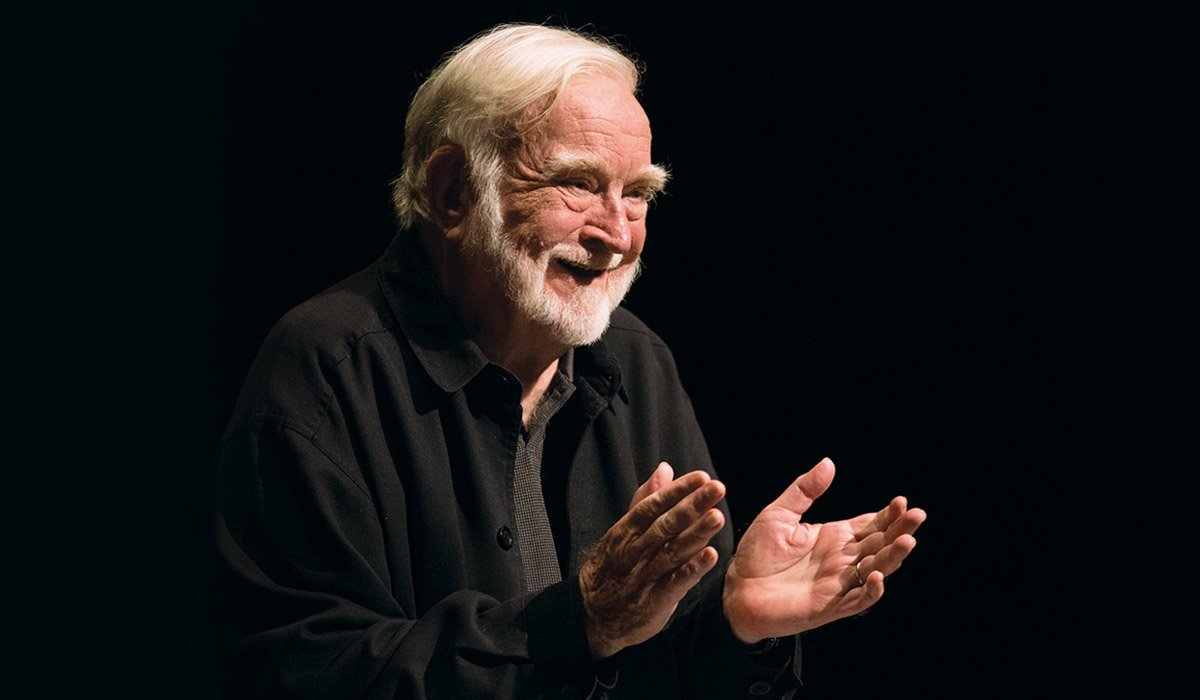
Creativity is often portrayed as the domain of lone geniuses, their brilliant ideas seemingly arising in isolation. However, Mihaly Csikszentmihalyi, the psychologist renowned for his work on flow and creativity, challenges this notion. His insights compel us to look beyond the individual and recognize the crucial role of the environment in fostering creativity.
“Creativity must, in the last analysis, be seen not as something happening within a person but in the relationships within a system,” Csikszentmihalyi observed. This perspective redefines creativity as an interactive process, shaped by the dynamic interplay between individuals and their surroundings. It suggests that no idea or creation exists in a vacuum but rather emerges from a complex network of influences—cultural, social, and material.
At its core, Csikszentmihalyi’s theory posits that “an idea or product that deserves the label creative arises from the synergy of many sources and not only from the mind of a single person.” Creativity is a collective phenomenon, rooted in the relationships between creators and the environments they inhabit. These environments include not only physical spaces but also the cultural frameworks, societal norms, and intellectual ecosystems that surround us.
One of the most striking implications of this theory is that “it is easier to enhance creativity by changing conditions in the environment than by trying to make people think more creatively.” Instead of focusing solely on individual capabilities, organizations, communities, and educators might yield better results by cultivating conditions that nurture creativity. These conditions could involve providing diverse resources, fostering open collaboration, encouraging risk-taking, or creating an atmosphere that values and celebrates innovation.
Csikszentmihalyi also dispels the myth of the “lightbulb moment” by emphasizing the role of sustained effort: “a genuinely creative accomplishment is almost never the result of a sudden insight, a lightbulb flashing on in the dark, but comes after years of hard work.” Creativity, in his view, is a process that unfolds over time, requiring persistence, refinement, and engagement with the broader system. This challenges the romanticized idea of instant genius and instead highlights the value of dedication and iterative learning.
Understanding creativity as a systemic phenomenon opens new possibilities for innovation. It invites us to rethink how we design work
About the Author
