
Skip to content

Learning-Science Digest

Fringe of Human Learning Technology and Emergence

Categories

  • 4E Cognition
  • Ability grouping
  • Accelerated learning
  • Acting/ Role play
  • Active learning
  • Active/ Action learning
  • Activities
  • Adaptive Learning
  • Administration & Leadership
  • Affordances
  • After-School Programs
  • Agency/ Autonomy
  • Analogy & Analogy based Learning
  • Anchored Instruction
  • Andragogy
  • Anthropology/ Ethnographic learning
  • Apprenticeship
  • Approaches
  • Apps
  • Artificial Intelligence
  • Assessment
  • Asynchronous Learning
  • Attitude
  • Banking model
  • Behavior Design
  • Behavioural
  • Belonging
  • Biology
  • Blended, Flipped, etc
  • books
  • Brain
  • Bricolage
  • Catholic Education
  • Causation
  • Coaching
  • Cognitive Diversity
  • Cognitive Load
  • Cognitive Science
  • Collaborative learning
  • Communities of practice
  • Competency-Based Learning
  • Complexity Theory
  • Compliance Training
  • Computational Learning
  • Computer Based Math
  • Concept Differences
  • Concept similarity
  • Connected Learning
  • Connectivism
  • Constraints
  • Constraints-Led Approach
  • Constructionism
  • Constructivism
  • Contextualized Learning
  • Contrast and Polarity
  • Courses
  • Creativity/ Innovation
  • Critical articles
  • Critical Pedagogy
  • Critical Thinking
  • Cultural Intelligence
  • Cultural Learning
  • Cumulative culture
  • Curriculum
  • Curriculum Design
  • Deliberate Practice
  • Design Science/ Approaches
  • Desirable Difficulty
  • Dialogic Learning
  • Differential learning
  • Digital Learning
  • Direct Instruction/ KLC
  • Disability and Learning
  • Discovery Learning
  • Discussion/ Debate
  • Disposition/Propensity
  • Distributed Cognition/ Learning
  • DIY learning/ Edupunk
  • Dynamics and learning
  • Early Intervention
  • Ecological Approch
  • Ecological Dynamics
  • Ed-tech
  • Education
  • Education Models
  • Education Policy
  • Education Thinkers
  • Effectuation
  • Elaboration
  • Embedded Cognition
  • Embodied Cognition
  • Emergence
  • Emergency learning
  • Emerging technology
  • Emulative learning
  • Enactive learning
  • Enskilment
  • Entangled pedagogy
  • Entrepreneurial Learning
  • Ethics and Moral learning
  • Evaluation
  • Evidence
  • Evolution and Learning
  • Exams
  • Exaptation
  • Exercise
  • Experiential Learning
  • Expertise
  • Explicit instruction
  • Extended Cognition
  • Family/ Religion
  • Feedback
  • Frameworks
  • Future Of Learning
  • Games/ Gamification
  • Generation Effect
  • Generative AI
  • Genius
  • Geragogy
  • Grading
  • Happiness and learning
  • Heuristics
  • Heutagogy
  • Higher Education
  • History Of Education
  • Home Slider
  • Home/ Home Schooling/ Learning
  • Homework
  • Human Machine Interface
  • Humor
  • Hypercorrection
  • Improvisation
  • Informal Learning
  • Innovation
  • Inquiry
  • Instructional Design
  • Instrumentalism
  • Intelligence
  • Interviews
  • Job training
  • Knowledge Rich Curriculum
  • Knowledge: Types. etc.
  • Labelling
  • Language Learning
  • Law and Legal Learning
  • Learning and Development
  • Learning Difficulties
  • Learning Environments
  • Learning for life
  • Learning in Chaos
  • Learning in complexity
  • Learning Management System
  • Learning Myths
  • Learning Programming
  • Learning Science
  • Learning Stations
  • Learning Systems
  • Learning Techniques/Methods
  • Learning Thinkers
  • Learning under anxiety/pressure/stress
  • Learning/ Teaching Strategies
  • Learning/ Understanding By Design
  • Looping effect
  • Maker Learning
  • Mastery
  • Mathew Effect
  • Maths Learning
  • Measurement
  • Medical Education/Learning
  • Memory
  • Meta-Analysis
  • Meta-Cognition
  • mindset
  • Mnemonics
  • Montessori
  • Motivation
  • Motor Learning
  • Music/ Arts and Learning
  • Mystagogy
  • Needs and Need based Learning
  • Networked Learning
  • Networks and Ecosystem
  • Neurodivergence
  • Neuroscience
  • Non Computational
  • Non-Representational
  • Nonlinear Pedagogy
  • Novelty and learning
  • Observational learning
  • On-the-Job Training
  • Online and MOOC Learning
  • outdoor-education
  • Pedagogy
  • Peer Learning
  • Personalized Learning
  • Philosophy Of Education
  • Philosophy Of Learning
  • Philosophy Of Science
  • Place-Based Learning
  • Play/ Ludic Pedagogy
  • Policy
  • Pragmatism
  • Problem-based learning
  • Productive Failures
  • Professional education
  • Professional Learning
  • Progressive Education
  • Project Based Learning
  • Proximity and Learning
  • Psychological Issues
  • Question asking/ Question design
  • Reading , Literacy , etc
  • Recognition
  • Reification/ Reductionism
  • Relational Expertise
  • Relational Learning
  • Religion
  • Research
  • Resting/ offline consolidation
  • Retrieval
  • Salience/Closeness
  • Scaffolding
  • Science Of Learning
  • self-efficacy
  • Self-Organization
  • Self-Paced Learning
  • Self-Regulated/ Self-Directed
  • Service Learning
  • Short Concept Introduction
  • Signalling
  • Simulation or Simulative Learning
  • Situated Learning
  • Skill
  • Sleep and Rest
  • Social Effects
  • Social Learning
  • Social-emotional learning
  • Society-Ecosystem etc
  • Socioeconomic Factors
  • Sociology Of Learning
  • Software And Technology Review
  • Speaking/Public Speaking
  • Spiral design
  • Sports learning
  • Sports Science
  • Story/Narrative based learning
  • Studying
  • Teacher/ teaching
  • Testing
  • Theology and learning
  • Theories
  • Tools, Aids, Artifacts
  • Training
  • Training Needs Analysis
  • Transdisciplinary/ Interdisciplinary, etc
  • Transfer Of Learning
  • Trending News
  • Uncategorized
  • Uncertainty and learning
  • Variable Practice
  • Vicarious learning
  • Video playlist
  • Virtual, Augmented, etc
  • Visible Learning/ Hattie
  • Visual Learning/Drawing
  • Vocational Education
  • Wakeful Resting
  • Work Place Learning
  • Workshop Model
  • Zone of Proximal Development (ZPD)
Primary Menu
  • Home
  • About
  • Thinkers
    • Learning Thinkers
    • Education Thinkers
  • Design For Learning
    • Design Science/ Approaches
    • Instructional Design
    • Behavior Design
    • Curriculum Design
    • Learning/ Understanding By Design
    • Motivation
    • Ecological Approch
    • Blended, Flipped, etc
    • Games/ Gamification
  • Tools/Techniques/Methods
    • Learning Techniques/Methods
    • Education Models
    • Testing
    • Retrieval
    • Blended, Flipped, etc
    • Differential learning
    • Dialogic Learning
    • Computer Based Math
    • Tools, Aids, Artifacts
    • Knowledge Rich Curriculum
    • Cognitive Load
    • Online and MOOC Learning
    • Scaffolding
    • Contrast and Polarity
    • Play/ Ludic Pedagogy
    • Problem-based learning
    • Cultural Learning
    • Direct Instruction/ KLC
    • Deliberate Practice
    • Visual Learning/Drawing
    • Games/ Gamification
    • Acting/ Role play
    • Analogy & Analogy based Learning
    • Inquiry
    • Improvisation
    • Constructionism
    • Situated Learning
    • Productive Failures
    • Anthropology/ Ethnographic learning
    • Project Based Learning
    • Connected Learning
    • Nonlinear Pedagogy
    • Personalized Learning
    • Maker Learning
    • Virtual, Augmented, etc
    • Service Learning
    • Constructivism
    • Connectivism
    • Vicarious learning
    • Active/ Action learning
    • Computational Learning
    • Relational Learning
    • Apprenticeship
    • Communities of practice
    • Home/ Home Schooling/ Learning
    • Contextualized Learning
    • DIY learning/ Edupunk
    • Constraints-Led Approach
    • Peer Learning
  • Domains
    • Language Learning
    • Entrepreneurial Learning
    • Maths Learning
    • Sports Science
    • Theology and learning
    • Sports learning
    • Professional education
    • Law and Legal Learning
    • Catholic Education
    • Higher Education
    • Medical Education/Learning
    • Work Place Learning
    • Learning Programming
    • On-the-Job Training
    • Job training
    • Compliance Training
  • Approaches
    • Neuroscience
    • Social Learning
    • Ecological Approch
    • 4E Cognition
    • Active learning
    • Transfer Of Learning
    • Cumulative culture
    • Embodied Cognition
    • Evolution and Learning
    • Embedded Cognition
    • Differential learning
    • Dialogic Learning
    • Experiential Learning
    • Learning Environments
    • Cultural Intelligence
    • Enactive learning
    • Constraints-Led Approach
    • Non-Representational
    • Self-Organization
    • Relational Learning
    • Relational Expertise
    • Enskilment
    • Extended Cognition
    • Distributed Cognition/ Learning
  • Artificial Intelligence
  • Education Policy
  • Expertise
Subscribe or Login
  • Home
  • Discovery Learning
  • Rethinking Education: Open-Ended Exploration vs. Cookbook Labs
  • Discovery Learning
  • Education
  • Philosophy Of Education
  • Philosophy Of Learning
  • Progressive Education

Rethinking Education: Open-Ended Exploration vs. Cookbook Labs

Education has long been a battleground for competing philosophies about how best to cultivate curiosity, critical thinking, and meaningful learning. In a YouTube lecture by Noam Chomsky, he critiques traditional educational practices through the lens of Bruce Alberts’ insights on science education. Alberts, a renowned biochemist and former editor of Science, outlines stark contrasts between two paradigms: open-ended exploration and the rigid, procedural "cookbook" labs that dominate much of our current educational system.
Jacob Chacko December 25, 2021
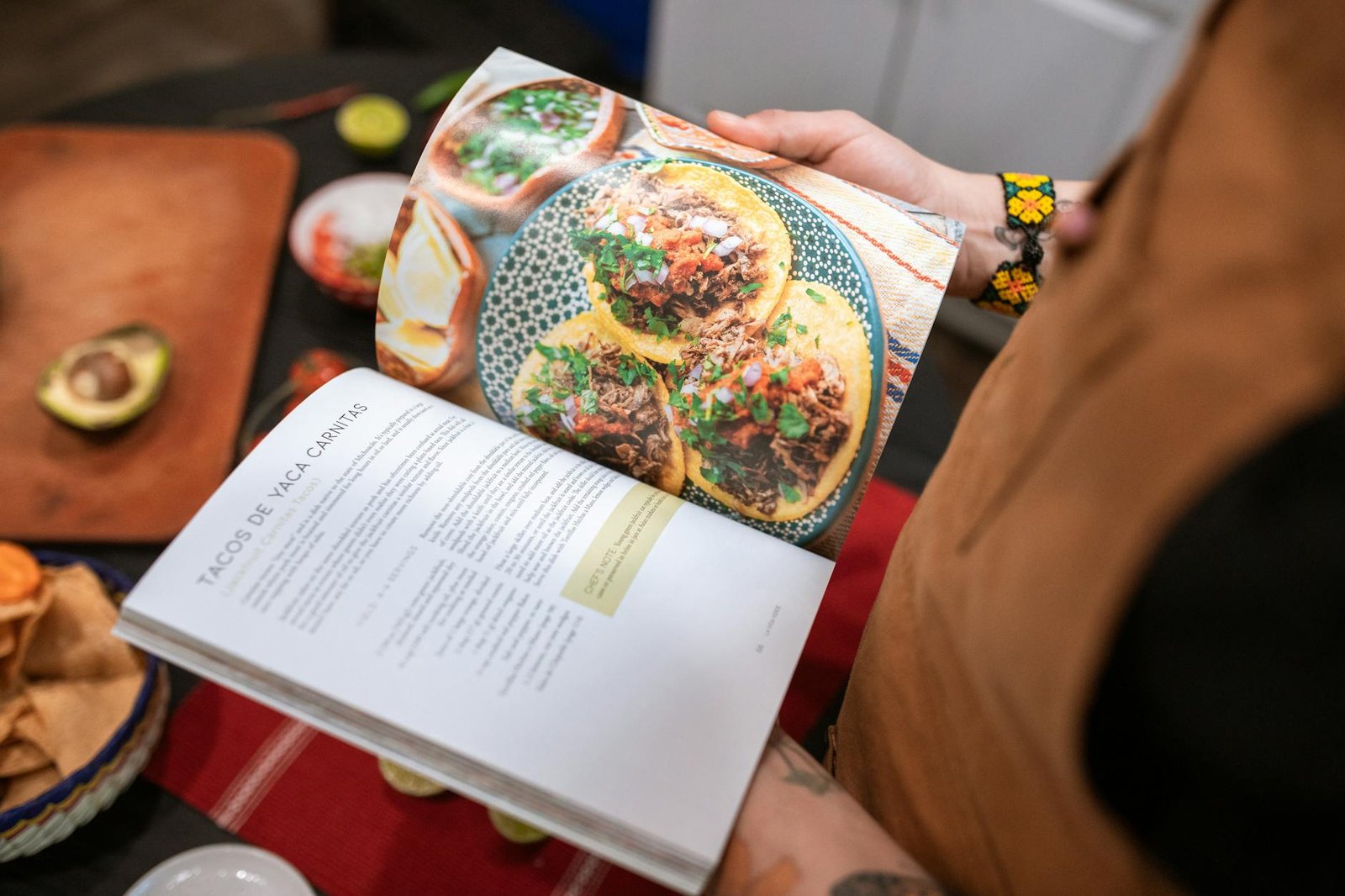
a person reading a cookbook

Photo by RDNE Stock project on <a href="https://www.pexels.com/photo/a-person-reading-a-cookbook-5737454/" rel="nofollow">Pexels.com</a>

Education has long been a battleground for competing philosophies about how best to cultivate curiosity, critical thinking, and meaningful learning. In a YouTube lecture by Noam Chomsky, he critiques traditional educational practices through the lens of Bruce Alberts’ insights on science education. Alberts, a renowned biochemist and former editor of Science, outlines stark contrasts between two paradigms: open-ended exploration and the rigid, procedural “cookbook” labs that dominate much of our current educational system.

The Enlightenment View of Education

At the heart of Alberts’ argument is a call to return to the Enlightenment perspective on learning. He champions the idea that education should provide students with opportunities to progress through discovery and exploration, rather than rote memorization. In his words:

“Our goal is to make it much easier for teachers everywhere to provide their students with laboratory experiences that mirror the open-ended explorations of scientists, instead of the traditional ‘cookbook’ labs where students follow instructions to a predetermined result.”

This approach fosters genuine engagement, encouraging students to question, hypothesize, and explore—mirroring the practices of scientists themselves. However, Alberts contrasts this ideal with the reality of modern classrooms, where concepts are often reduced to strict procedures and rules, stripping away creativity and curiosity.

Missteps in Early Science Education

One of Alberts’ sharpest criticisms targets the premature introduction of complex scientific concepts. For instance, he testified before the California Standards Commission against teaching the periodic table of elements to fifth graders, arguing that such practices are meaningless to students at that developmental stage. Alberts explained:

“When we teach children about aspects of science that they cannot yet grasp, then we have wasted valuable educational resources, produced nothing of lasting value, and much worse, we take all the enjoyment out of science when we do so.”

His own field of DNA serves as a poignant example. Students often encounter dry, factual statements like “DNA is the material from which genes are made” at an age when they lack the context to understand its significance. Alberts laments that this approach kills the joy of discovery, leaving students disengaged when they finally have the capacity to grasp the beauty of DNA’s structure and its explanatory power.

The College-Level Crisis

The problem persists at higher levels of education. Alberts critiques introductory biology courses, where students are often bogged down by memorizing minutiae, like the names of enzymes involved in sugar oxidation. He argues that this obsession with details obscures the broader, more exciting questions of science:

“For far too many, science seems a game of recalling boring, incomprehensible facts… so much so that it may make little difference whether the factoids come from the periodic table or a movie script.”

This narrow focus leaves students with the impression that science is dull and inaccessible, driving many away from the field altogether.

A Personal Anecdote: Chomsky’s Chemistry Class

Chomsky humorously recalls his own experience as a freshman at the University of Pennsylvania, where the traditional teaching approach left him disenchanted with science. A rigid curriculum, predictable outcomes in labs, and a focus on rote learning made the course insufferably dull. He recounts skipping classes and labs, filling out experiment results he never performed, and still earning an A—an indictment of a system that values memorization over genuine understanding.

The Victor Weisskopf Model

In contrast, Chomsky highlights the teaching philosophy of Victor Weisskopf, a renowned physicist at MIT. Weisskopf, like Alberts, embraced a discovery-based approach. When students asked what they would cover in his freshman course, Weisskopf famously replied:

“It doesn’t matter what we cover—it matters what you discover. And maybe you’ll discover that what I’m teaching is wrong.”

This philosophy embodies the essence of serious education: fostering critical thinking and the willingness to challenge established ideas.

The Broader Implications

The issues Alberts raises are not confined to science education—they generalize to broader educational practices. Programs like No Child Left Behind exemplify the systemic prioritization of standardized tests and rigid curricula, often at the expense of fostering creativity and intellectual curiosity. As Chomsky points out, despite a decade of implementation, such programs have shown little progress in meaningful educational outcomes.

A Call to Action

To transform education, we must embrace the open-ended exploration that Alberts and Weisskopf champion. This shift requires rethinking not only how we teach but also what we value in learning. Education should be about sparking curiosity, encouraging critical inquiry, and instilling a lifelong love of discovery—principles that apply to all fields, not just science.

In the words of Bruce Alberts:

“Tragically, we have managed to simultaneously trivialize and complicate science education. But we can—and must—do better.”

By prioritizing exploration over memorization, we can cultivate a generation of learners who see education not as a chore but as an exciting journey into the unknown.

Open ended exploration Vs Cookbook labs.
@noamchomskyT quotes biochemist Bruce Albert on Science Education.
Excerpt from: ⬇️ https://t.co/4FG4RwH5J0 pic.twitter.com/DaKXshFgy2

— Kiran Johny (@johnywrites) October 12, 2020

Continue Reading

Previous: Exploring the Legacy of Lee J. Cronbach: A Pioneer in Educational Psychology and Measurement
Next: Dialogic Learning and Illusion of Explanatory Depth: Bridging Gaps in Classroom Learning

Categories

Archives

  • September 2025
  • July 2025
  • June 2025
  • May 2025
  • April 2025
  • March 2025
  • February 2025
  • January 2025
  • December 2024
  • November 2024
  • October 2024
  • September 2024
  • August 2024
  • July 2024
  • June 2024
  • May 2024
  • April 2024
  • March 2024
  • February 2024
  • January 2024
  • December 2023
  • November 2023
  • October 2023
  • September 2023
  • August 2023
  • July 2023
  • June 2023
  • May 2023
  • April 2023
  • March 2023
  • February 2023
  • January 2023
  • December 2022
  • November 2022
  • October 2022
  • September 2022
  • August 2022
  • July 2022
  • June 2022
  • May 2022
  • April 2022
  • March 2022
  • February 2022
  • January 2022
  • December 2021
  • November 2021
  • October 2021
  • September 2021
  • August 2021
  • July 2021
  • June 2021
  • May 2021
Copy Right © 2025–2026 Learning Science Digest (lsdigest.com). All rights reserved.

Copyright © 2025-2026 LsDigest.com

Copyright © 2025-2026 LsDigest.com | MoreNews by AF themes.