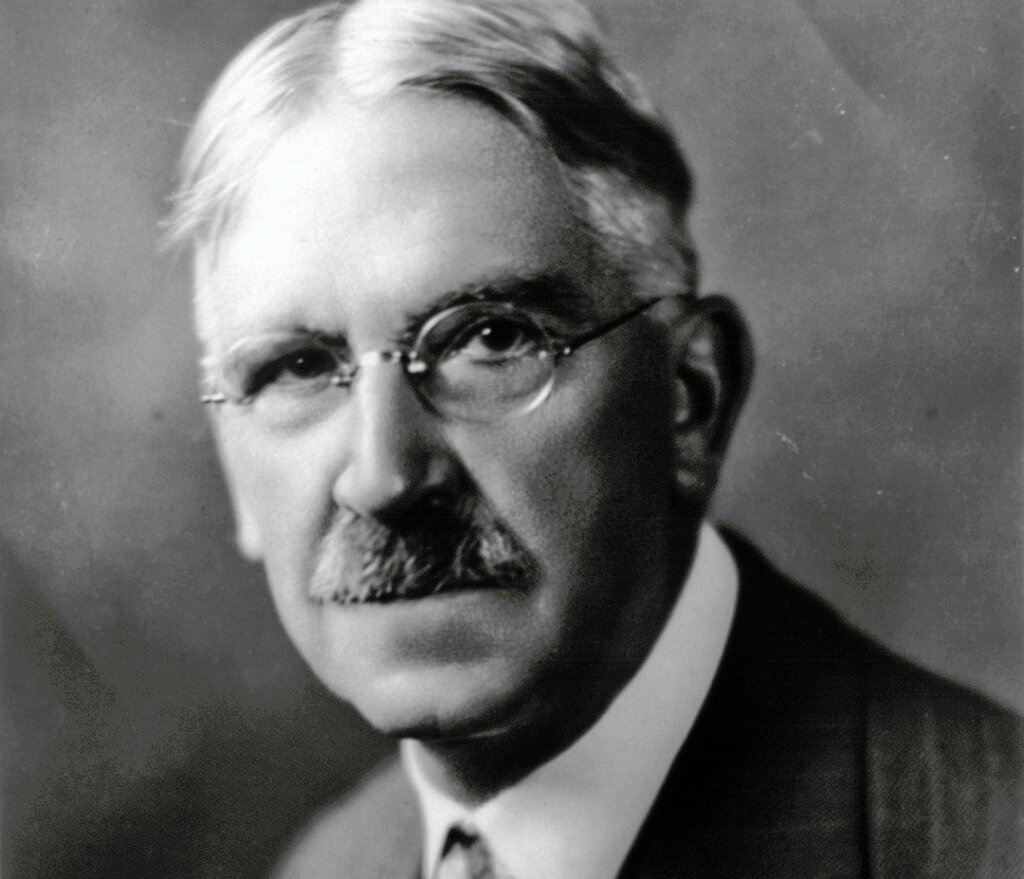
John Dewey, one of the most influential educational philosophers of the 20th century, redefined how we think about learning, teaching, and the role of education in society. His progressive ideas continue to inspire educators and policymakers worldwide. Here are 10 transformative insights from Dewey’s work that shed light on his vision for meaningful, democratic, and experiential education.
1. School as a Miniature Community
Dewey believed schools should function as “miniature communities” where students actively engage in activities reflecting real-life societal roles. This approach fosters both individual growth and collective responsibility.
2. Education is Life, Not Preparation for It
For Dewey, education wasn’t merely preparation for adulthood; it was an ongoing process integral to living itself. He emphasized creating opportunities for students to experience democracy firsthand within the classroom.
3. Learning Through Occupations
Dewey advocated for integrating practical “occupations” like cooking, building, or storytelling into the curriculum. These hands-on activities connect knowledge with social experiences, making learning relevant and engaging.
4. The Role of Student Interests
Rather than ignoring student interests, Dewey argued they should be central to the curriculum. By linking children’s natural curiosity to sustained intellectual development, teachers can create more meaningful learning experiences.
5. Rejecting Dichotomous Thinking
Dewey criticized rigid dualisms such as theory vs. practice or individual vs. group. Instead, he proposed reconstructing these debates to highlight their interconnectedness, fostering holistic approaches to teaching and learning.
6. Freedom with Purpose
While Dewey supported student freedom in the classroom, he stressed that this freedom must serve a purpose—enhancing intellectual growth and preparing students for active participation in democratic life.
7. Critique of Traditional Schooling Models
Dewey opposed the “factory system” model of education, which treated students as passive recipients of knowledge. He called for dynamic pedagogies that encourage critical thinking, creativity, and collaboration.
8. Science as a Tool for Social Progress
Dewey viewed scientific inquiry not just as a method but as a means to address social problems. He believed schools should cultivate scientific habits of mind to empower students to contribute to societal improvement.
9. Eliminating Class Barriers Through Education
Recognizing class distinctions, Dewey urged schools to play a transformative role in breaking down barriers. Education, he argued, could help build a more equitable society by nurturing shared values and mutual respect.
10. The Means Are the Ends
In Dewey’s philosophy, the methods used in education directly shape its outcomes. A democratic, inclusive, and experiential approach to schooling inherently produces informed, engaged citizens capable of sustaining a vibrant democracy.
John Dewey’s legacy reminds us that education is far more than transmitting facts—it’s about shaping minds, communities, and futures. His insights challenge us to rethink traditional systems and embrace innovative, human-centered models of learning. As we navigate the complexities of modern education, Dewey’s vision remains a beacon of hope and possibility.