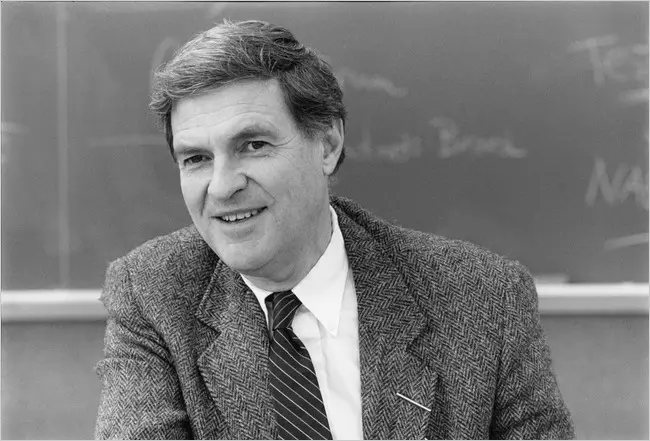
Theodore R. Sizer, a celebrated educational reformer and visionary, dedicated his life to reimagining schools and fostering meaningful learning experiences for all students. His philosophy challenges conventional practices and emphasizes intellectual depth, equity, and respect for individuality. Below are 10 transformative insights from Sizer’s work that can inspire educators, parents, and policymakers to rethink the purpose and practice of education.
1. “Less is More”: Prioritize Depth Over Breadth
Sizer famously advocated for focusing on mastering a limited number of essential skills and areas of knowledge rather than overwhelming students with excessive content. By concentrating on fewer topics but exploring them deeply, learners develop critical thinking and a lasting understanding.
2. Foster Active, Curious Learners
Education should cultivate active engagement, curiosity, and motivation in students. Sizer believed that passive learning stifles creativity and intellectual growth, urging schools to create environments where students take ownership of their education.
3. Respect Individual Differences
“No two students, no two teachers, no two schools are ever precisely alike,” Sizer argued. He emphasized the importance of recognizing and celebrating diversity in learning styles, cultural backgrounds, and personal strengths, rejecting one-size-fits-all approaches.
4. Focus on Intellectual and Imaginative Competencies
Instead of rote memorization or standardized testing, Sizer encouraged schools to prioritize competencies like problem-solving, critical thinking, and creativity. These skills empower students to access deeper knowledge and apply it meaningfully.
5. Build Small, Democratic Communities
Sizer envisioned schools as “small democracies” where collaboration among teachers, students, and families creates a shared moral order. Such intimate settings foster trust, mutual respect, and a sense of belonging.
6. Redefine Assessment Through Exhibitions
Traditional exams often fail to capture true learning. Sizer proposed replacing them with student exhibitions—authentic demonstrations of mastery through projects, presentations, or portfolios that showcase real-world application of knowledge.
7. Empower Teachers as Generalists
Rather than confining educators to narrow subject specialties, Sizer suggested viewing teachers as generalists who guide holistic development. Lowering teacher-student ratios and designing flexible schedules allow for stronger relationships and personalized support.
8. Embrace Local Context While Pursuing Universal Goals
While advocating for high standards, Sizer recognized the value of local contexts. He believed that national dialogues about education must honor diverse values and needs, ensuring that reforms remain relevant and inclusive.
9. Challenge Conventional Boundaries
Sizer rejected rigid structures in education, such as fixed curricula or mechanistic policies. Instead, he championed fluid, adaptable systems that respond to changing circumstances and integrate emotional, intellectual, and moral dimensions of learning.
10. Cultivate Thoughtful Freedom
At the heart of Sizer’s vision lies the goal of nurturing thoughtful freedom—helping students grow into responsible, creative, and compassionate individuals. This requires instilling habits of mind that promote lifelong learning and ethical behavior.
Conclusion
Theodore R. Sizer’s ideas continue to resonate because they address the core purpose of education: preparing young people to navigate an increasingly complex world with wisdom and integrity. By embracing these 10 principles, we can move closer to creating schools that truly serve every child, fostering both academic excellence and social equity. Let us strive to make Sizer’s vision a reality—one thoughtful step at a time.