Intro:
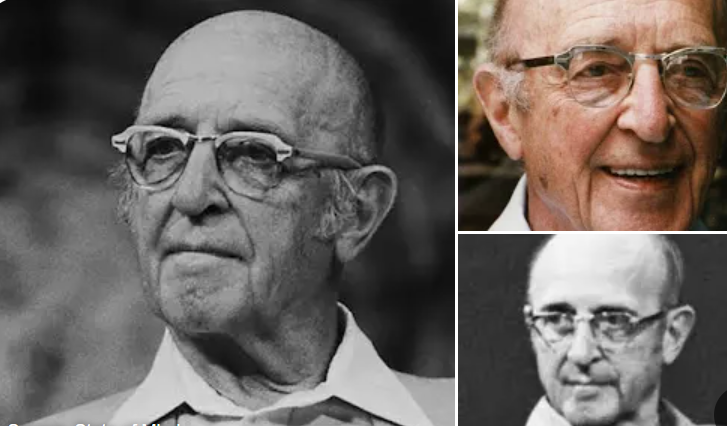
Carl Rogers, one of the most influential psychologists of the 20th century, revolutionized not only therapy but also education. His person-centered approach emphasized trust, empathy, and the autonomy of learners, challenging traditional models of teaching. Rogers believed that true learning occurs when individuals are empowered to explore their thoughts, emotions, and values in a supportive environment. Below are 10 key insights from Rogers’ philosophy on learning and education that continue to inspire educators and learners alike.
1. The Learner is the Expert of Their Own Experience
Rogers rejected the traditional teacher-as-expert model, arguing that learners are the ultimate authorities on their own growth. He believed that students should be trusted to navigate their educational journey, with teachers acting as facilitators rather than directors.
2. Emotions and Cognition Must Be Integrated for True Learning
For Rogers, learning was not just an intellectual exercise but an emotional one too. He emphasized that meaningful education arises when cognition (thinking) and emotion (feeling) are integrated, fostering holistic personal development.
3. Unconditional Positive Regard Creates a Safe Learning Environment
Rogers introduced the concept of unconditional positive regard into education, advocating for an atmosphere where students feel accepted and valued regardless of their performance or behavior. This acceptance encourages self-exploration and growth.
4. Empathy is Central to Effective Teaching
Empathy, according to Rogers, is essential for effective teaching. By deeply understanding students’ perspectives, teachers can create connections that motivate and inspire learners to reach their full potential.
5. Self-Actualization is the Ultimate Goal of Education
Rogers viewed education as a pathway to self-actualization—the realization of one’s unique talents and abilities. He believed that when learners are given freedom and support, they naturally move toward becoming fully functioning individuals.
6. Non-Directive Approaches Foster Independence
In contrast to rigid curricula and teacher-dominated classrooms, Rogers championed non-directive methods. These approaches allow students to take ownership of their learning process, promoting independence and creativity.
7. Criticism of Traditional Educational Models
Rogers criticized conventional education for its uniformity, prescribed curricula, and reliance on external evaluations. He argued that such systems stifle individuality and fail to nurture the self-actualized person.
8. Value Clarification Encourages Critical Thinking
Rogers supported value clarification exercises in education, which help students reflect on their beliefs and priorities. This practice enables learners to develop a clearer sense of identity and purpose.
9. Teachers Should Act as Midwives, Not Authorities
Rather than dictating knowledge, Rogers saw teachers as midwives who assist in the birth of ideas. Their role is to guide and reflect back students’ understandings, empowering them to critically appraise their own thoughts.
10. Education is a Communal Enterprise
While Rogers focused heavily on individual growth, he acknowledged the communal nature of education. He recognized that learning together helps children not only acquire knowledge but also develop social skills necessary for collaborative problem-solving.
Closing Thoughts:
Carl Rogers’ insights remind us that education is far more than imparting information—it’s about nurturing the whole person. His emphasis on empathy, autonomy, and integration of emotion and intellect continues to resonate in progressive educational practices today. By embracing these principles, educators can create transformative learning experiences that honor the uniqueness of every student.