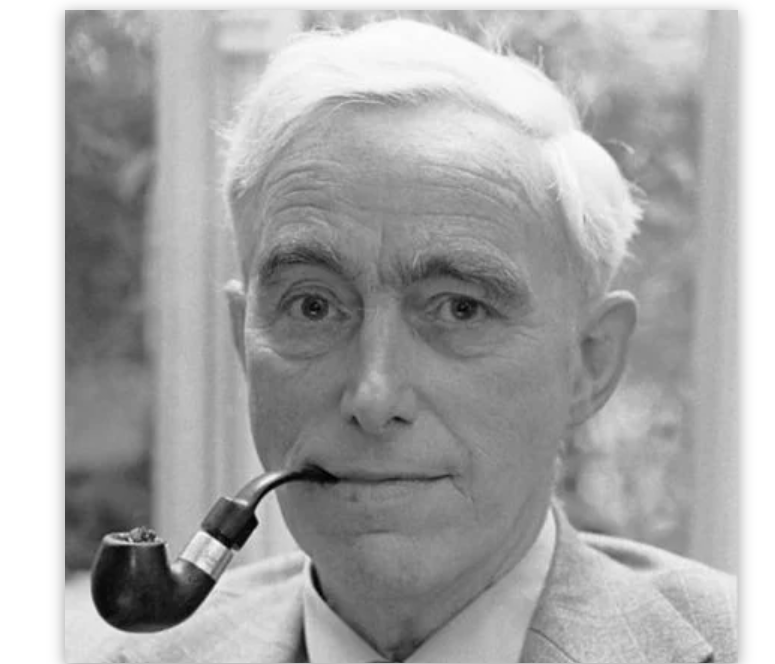
Intro:
Richard Stanley Peters, a towering figure in 20th-century philosophy of education, revolutionized how we think about learning and education. His work emphasized the intrinsic value of education as a process rather than a destination, blending analytical rigor with practical relevance. Here are 10 key insights from Peters that illuminate his profound contributions to understanding the philosophical dimensions of education.
1. Education is a Journey, Not a Destination
Peters famously argued that education is not about arriving at a fixed endpoint but about traveling with a broader perspective. It’s an ongoing process of intellectual and moral growth.
2. The Three Criteria for True Education
For Peters, education requires three conditions: the transmission of worthwhile knowledge, active engagement with cognitive perspectives, and voluntary participation in learning.
3. Worthwhile Activities Define Education
He believed education involves initiating learners into activities that are intrinsically valuable, such as science, history, literature, and philosophy—pursuits aimed at truth.
4. Education vs. Training or Indoctrination
Peters drew clear distinctions between education and other forms of instruction. Unlike training (skill-focused) or indoctrination (one-sided), education fosters critical thinking and autonomy.
5. The Centrality of Reason and Truth
Rooted in Kantian ethics, Peters championed reason and truth as the cornerstones of education. He saw education as a rational endeavor to cultivate intellectual and moral development.
6. Philosophy of Mind Meets Education
Peters connected educational theory with the philosophy of mind, emphasizing the need to align emotions and desires with reason—a process central to personal and societal progress.
7. A Problem-Centered Approach to Education
Rather than focusing solely on abstract theories, Peters encouraged educators to adopt a problem-centered approach, addressing real-world issues like discipline, equality, and moral education.
8. Critique of Progressive Educational Trends
Peters challenged fashionable “progressive” educational theories, such as those in the Plowden Report, advocating instead for clarity and philosophical depth in teaching practices.
9. Education as Initiation into Rationality
He viewed education as a process of initiation into the demands of rationality, helping individuals navigate life’s complexities while resisting the chaos of uncontrolled emotions.
10. Legacy of Applied Philosophy in Education
As one of Britain’s first applied philosophers, Peters bridged theory and practice, leaving behind a legacy of questioning assumptions and striving for ethical coherence in education.
Closing Thought:
R.S. Peters’ insights remind us that education is more than imparting facts—it’s about shaping minds, nurturing values, and fostering a lifelong commitment to truth and reason. His ideas continue to inspire educators worldwide to rethink the purpose and practice of learning.