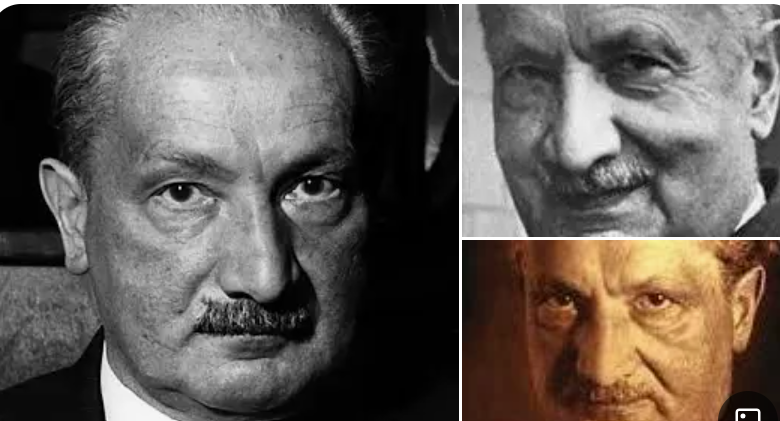
Martin Heidegger, one of the most influential philosophers of the 20th century, offers profound insights into the nature of learning, thinking, and education. Although he rarely addressed education directly, his ideas about human existence, authenticity, and the essence of thinking have far-reaching implications for how we approach teaching and learning. Here are 10 transformative insights inspired by Heidegger’s philosophy that challenge conventional educational practices and invite us to rethink what it truly means to learn.
1. Learning is a Demand for Authentic Engagement
Heidegger believed that true learning requires learners to fully engage with their unique existence. It’s not about passively absorbing information but actively participating in the process of understanding what calls to be thought in each learning situation.
2. Teaching Means “Letting Learn”
For Heidegger, the role of a teacher is not to impose knowledge but to create an open space where learners can explore and discover. The teacher’s task is to “let learn,” fostering an environment where curiosity and critical thinking thrive.
3. Avoid Mechanization of Thinking
Heidegger warned against reducing thinking to mechanized processes or instrumental frameworks. Genuine learning is an adventurous journey into the unknown, driven by questions that emerge organically from the learner’s engagement with the subject matter.
4. Reject “Hearsay” Learning
Much of conventional schooling, according to Heidegger, resembles “hearsay”—students memorize facts without relating them to their personal sense of being. True education encourages learners to connect knowledge to their own lives and choices.
5. Embrace Open-Ended Exploration
Learning should not be confined to pre-specified objectives or standardized outcomes. Instead, it must allow room for open-ended exploration, enabling learners to uncover meanings that resonate deeply with their individual experiences.
6. Authenticity Over Conformity
Heidegger emphasized living authentically—being true to oneself rather than conforming to societal norms or superficial trends. In education, this translates to nurturing students’ ability to think critically and make meaningful decisions aligned with their values.
7. Challenge Instrumental Views of Education
Education should not serve merely as a tool to feed economic demands or fulfill utilitarian goals. Instead, it should focus on enriching learners’ understanding of themselves and their place in the world.
8. The Teacher as an “Empathetic Challenger”
Inspired by Heidegger, the ideal teacher balances empathy and challenge. They listen attentively to what calls to be thought while provoking deeper engagement through thoughtful questioning and encouragement.
9. Beware the Dominance of Calculative Thinking
Heidegger critiqued modern technology and calculative rationality, which frame the world as a resource to be exploited. In education, this manifests as over-reliance on measurable outcomes, assessments, and rigid curricula at the expense of creativity and depth.
10. Celebrate the Poetic Quality of Knowledge
Rather than treating subjects like math and science purely as technical disciplines, Heidegger invites us to celebrate their poetic qualities—their capacity to reveal truths about existence and inspire wonder. This approach fosters richer, more personal connections to learning.
Conclusion
Martin Heidegger’s insights remind us that education is not just about acquiring skills or knowledge; it’s about cultivating a deeper relationship with ourselves, others, and the world. By embracing these principles, we can move beyond traditional models of teaching and learning to create educational experiences that honor the dignity, integrity, and potential of every learner. Let these 10 points inspire you to reimagine what education could—and should—be.