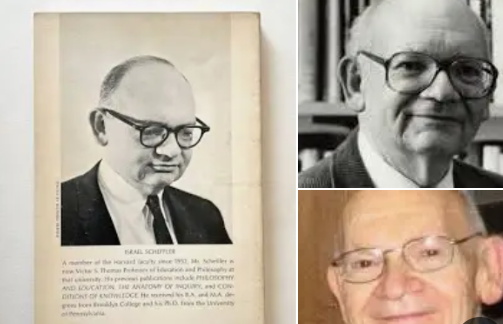
Israel Scheffler, one of the most influential philosophers of education in the 20th century, revolutionized how we think about teaching, learning, and the moral foundations of education. His groundbreaking work bridged philosophy and education, offering profound insights into the aims, methods, and ideals of educational practice. Here are 10 key takeaways from Scheffler’s contributions that continue to inspire educators and thinkers alike.
1. Critical Thought is Central to Education
Scheffler emphasized that fostering critical thought is of utmost importance in education. He believed that rationality should be the guiding ideal, encouraging both teachers and students to engage in a free and critical quest for reasons across all areas of study.
2. Teaching is a Moral Act
For Scheffler, teaching is not merely about imparting knowledge but involves deep moral obligations. Teachers must respect students as independent thinkers, appealing to their sense of reasonableness rather than resorting to indoctrination or rote methods.
3. The Analytic Approach to Education
Scheffler introduced logical analysis as a powerful tool in philosophy of education. By applying rigorous methods from general philosophy—such as symbolic logic—he sought clarity on fundamental educational concepts like teaching, curriculum, and educational slogans.
4. Education Aims at Fostering Rationality
Scheffler argued that the ultimate aim of education is to cultivate rationality. This means helping students develop the ability to evaluate evidence, assess reasons, and make informed judgments—a cornerstone of democratic societies.
5. Respect for Students’ Independent Judgment
In Scheffler’s view, genuine teaching requires submitting content to the independent judgment of students. Teachers should nurture students’ capacity to discern good reasons, treating them with dignity and respect throughout the process.
6. Language Matters in Education
Through works like The Language of Education, Scheffler highlighted the significance of language in shaping educational discourse. He analyzed metaphors, definitions, and slogans, showing how they influence our understanding of educational goals and practices.
7. Objectivity and Rigor Are Essential
Scheffler championed objectivity in educational research and philosophy. Drawing from his work in epistemology and philosophy of science, he stressed the importance of empirical rigor, careful argumentation, and attention to detail in educational inquiry.
8. Challenging Educational Ideals
Scheffler’s vision of education was both challenging and idealistic. He called for cultures to embrace self-criticism in pursuit of improvement, even if achieving perfect rationality remains an aspirational goal rather than a fully attainable reality.
9. Interdisciplinary Connections Strengthen Education
Scheffler demonstrated the value of integrating philosophy of education with broader philosophical disciplines, such as epistemology, philosophy of language, and philosophy of science. This interdisciplinary approach enriches our understanding of educational issues.
10. Education Shapes Human Potential
In Of Human Potential, Scheffler explored the concept of human potential and its role in education. He urged educators to see students not just as recipients of knowledge but as individuals capable of growth, creativity, and meaningful contribution to society.
Final Thoughts:
Israel Scheffler’s insights remind us that education is far more than a technical process—it is a deeply moral and intellectual endeavor. By prioritizing rationality, respect, and rigorous analysis, Scheffler set a standard for educational philosophy that continues to resonate today. Whether you’re an educator, policymaker, or lifelong learner, these 10 principles offer timeless guidance for reimagining the purpose and practice of education.