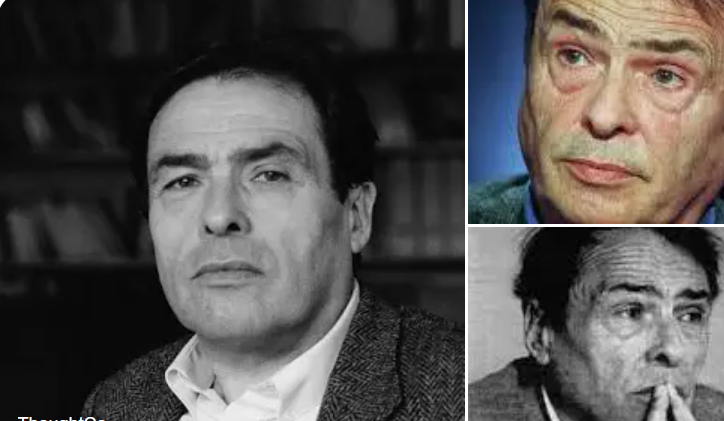
Pierre Bourdieu, one of the most influential sociologists of the 20th century, reshaped our understanding of education, culture, and social structures. His groundbreaking work delves into how learning and education are deeply intertwined with societal hierarchies, cultural capital, and power dynamics. Below are 10 key insights from Bourdieu’s theories that shed light on the role of education in shaping individuals and societies.
1. Cultural Capital as a Social Strategy
Bourdieu introduced the concept of cultural capital—non-financial assets like knowledge, skills, and education—that individuals use to gain status and respect in society. Educated classes leverage cultural capital to maintain or elevate their social standing.
2. Education Reproduces Social Inequalities
Through works like Reproduction in Education, Society and Culture, Bourdieu argued that educational systems often perpetuate existing social hierarchies. Schools act as mechanisms for social reproduction, favoring those who already possess cultural capital.
3. The Role of Habitus in Shaping Learners
Habitus refers to the ingrained habits, dispositions, and behaviors individuals acquire through their social environments. In education, habitus influences how students perceive opportunities, challenges, and their own potential.
4. Symbolic Capital in Academic Fields
Institutions like universities operate as fields where individuals compete for symbolic capital—prestige, recognition, and intellectual authority. Bourdieu’s analysis of the French university system reveals how such struggles shape academic trajectories.
5. Social Strategies Drive Educational Success
Bourdieu emphasized that success in education is not just about individual effort but also involves conscious and unconscious social strategies. Students adopt cultural practices and discourses that align with institutional expectations to succeed.
6. Legitimation Principles Define Educational Hierarchies
Two competing principles govern academic hierarchies: social hierarchy (based on inherited economic and political capital) and cultural hierarchy (based on intellectual renown). These tensions influence access to opportunities and resources.
7. Reflexivity in Understanding Education
Bourdieu advocated for epistemic reflexivity, encouraging researchers and educators to critically examine their own positions within the social and intellectual frameworks they study. This approach helps uncover hidden biases in educational systems.
8. Fields of Power Shape Educational Outcomes
The field of power represents broader societal arenas where different forms of capital (economic, cultural, social) compete. Educational outcomes are shaped by these larger power dynamics, which determine whose knowledge is valued.
9. Education as a Site of Cultural Distinction
In Distinction, Bourdieu explored how individuals use education and cultural practices to differentiate themselves from others. Even when unable to gain symbolic power, people seek distinction through unique tastes and interests.
10. Genealogical Inquiry into Knowledge Systems
Bourdieu’s later works, influenced by continental philosophy, examined how knowledge systems evolve historically and socially. He highlighted the need to understand education as a dynamic process embedded in specific socio-cultural contexts.
Final Thoughts:
Pierre Bourdieu’s insights remind us that education is far more than a neutral process of knowledge transmission. It is a complex interplay of power, culture, and structure that both reflects and shapes societal inequalities. By understanding these dynamics, we can work toward creating more equitable and inclusive educational systems.